
May 14, 2026
By Arielle Galinsky | Foundation for Social Connection Fellow, Policy & Aging
Every weekday at 11:30, Elaine, 84, walks into her local community center, finding a middle seat at one of the folding tables before the food even comes out. She receives a big cup of hot black coffee, talks to her neighbor about the recent episode of 60 Minutes, and greets the volunteer at the door by name. For many older adults in America, just like Elaine, these moments of connection can be the highlight of the day and sometimes the only conversation they will have.
Loneliness and isolation remains a persistent challenge amongst older adults in the United States today. In 2023, Surgeon General Vivek Murthy brought national attention to loneliness and isolation, noting that the United States is facing a loneliness epidemic with serious public health consequences. In 2023, a University of Michigan study showed that one in three adults between the ages of 50-80 reported feeling isolated from others, with the same noting infrequent contact (once a week or less) with people from outside their home. Social isolation and lack of connection is not just a societal failure, it can have major repercussions to one’s health and wellbeing, often linked to a range of negative health incomes and higher mortality rates. Research suggests prolonged social isolation can be as harmful to health as smoking 15 cigarettes a day. For older adults who wish to age in place in their homes and communities, this is often an even larger issue.
The scope of the issue is significant. National research shows that 56% of adults aged 60 and older report feeling lonely at least sometimes, and nearly one in four are considered severely lonely. Additionally, about one in four older adults are socially isolated. These trends highlight the growing need for interventions that address not only nutrition and health, but also connection.
Across the United States, older adults find community at meals at local senior centers or await a knock on the door from a meal delivery driver. These congregate nutrition opportunities and home-delivered meals are supported by funding from the Older Americans Act (OAA) Title III Nutrition programs, with funding levels set during the annual appropriations process. At first glance, one might think these provisions are entirely designed to combat food insecurity. But for the near 2.6 million older adults served by home-delivered and congregate meals, the most valuable ingredient delivered is often social connection. In fact, a recent report published by the Foundation for Social Connection highlights how food and shared meals can serve as a powerful entry point for meaningful social engagement.
Congregate meals, which are held anywhere from faith-based communities, schools, or local centers, create an opportunity for community and routine. Such meals are often paired with other activities, as well as benefit enrollment and health screenings. These spaces become hubs of social engagement, helping older adults build friendships, maintain independence, and stay connected to their communities.
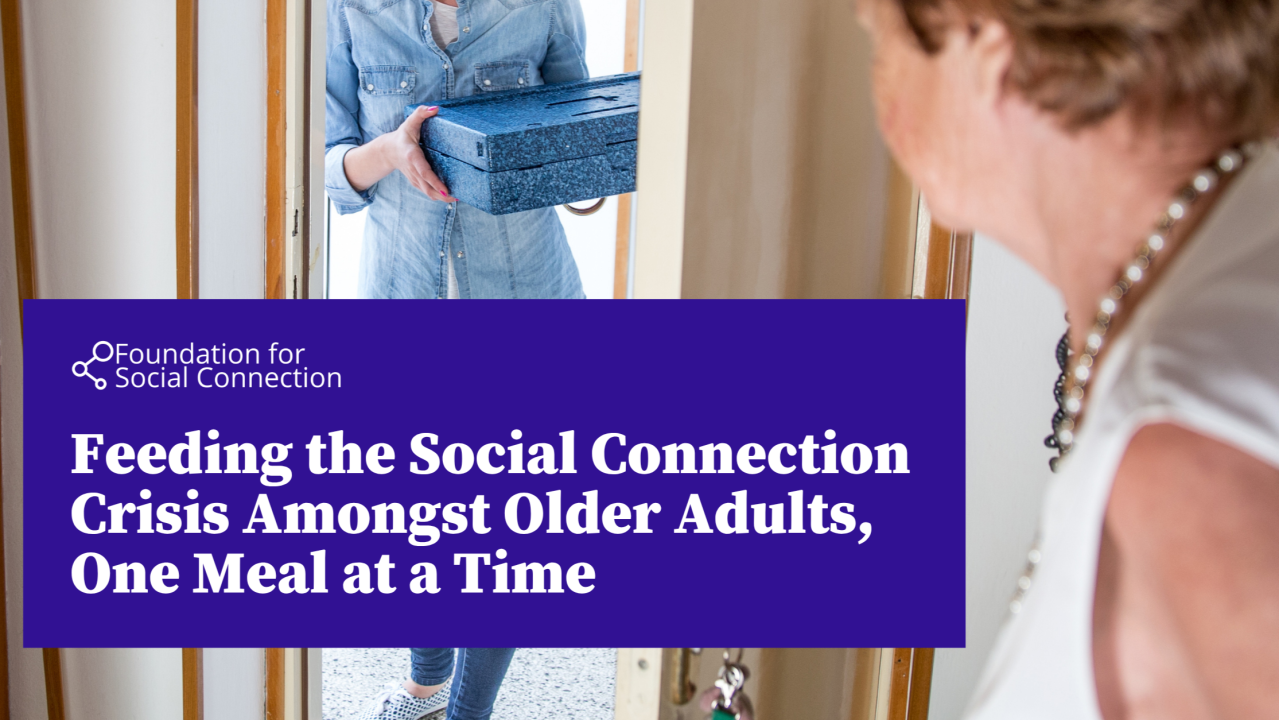
In the US today, 25% of Americans aged 60 and older live alone. More than half (54.5%) of home-delivered meal participants live alone, making home-delivered meals, through programs like Meals on Wheels, a unique opportunity for the recipient to both receive a nutritious meal directly to their doorstep, receive some form of human interaction, and have an informal wellness check. Such programs have shown to demonstrably reduce sentiments of loneliness amongst program participants. Participants frequently report that regular interactions with volunteers and staff help them feel valued, supported, and less alone.
As one participant shared:
“It gives me a little bit of comfort and reassurance that somebody knows that I’m still existing.”
Nutrition programs that intentionally seek to reduce isolation can help older adults stay independent and healthier longer, which means fewer visits to the emergency room, delayed placement at institutional facilities, and overall lowered government health spending. Ensuring the reauthorization and funding of Older Americans Act Title III allows for boosted connection, and more cost-effective long-term care costs.
Even as the need for social connection increases, the programs that provide it are stretched thin. Nearly 1 in 3 Meals on Wheels providers report maintaining a waitlist with older adults waiting an average of 4 months for meals. The result is not just a shortage or delay of nutritious food, but a rationing of human contact. Fewer visits or shared meals translates to less moments of someone noticing something wrong.
The Older Americans Act should not be viewed as a side dish to America’s overall health policy strategy. They should continue to be recognized, funded, and evaluated as both essential food security initiatives, and as social and preventive health infrastructure. For policymakers that are keen on lowering health costs, hindering institutionalization of older adults, and uplifting aging in place, ensuring the continuation of authorization of the OAA and funding for senior nutrition programs is one of the most practical and impactful steps available.
For Elaine, who arrived early just to chat to her neighbor or the local volunteer before lunch was served, congregate meals and home delivery options are a lifeline to the broader community. Our federal health policies should uplift this form of social connection nourishment just as much as any meal.
Foundation for Social Connection SOCIAL Framework Report: The Food and Nutrition Sector
Foundation for Social Connection ACTION NETWORK Older Americans Act Reauthorization Recommendations