
Our Scientific Network
F4SC’s work is anchored by an interdisciplinary network of leading researchers who help us translate the latest evidence on social isolation, loneliness, and social connection into tools, frameworks, and policy recommendations.
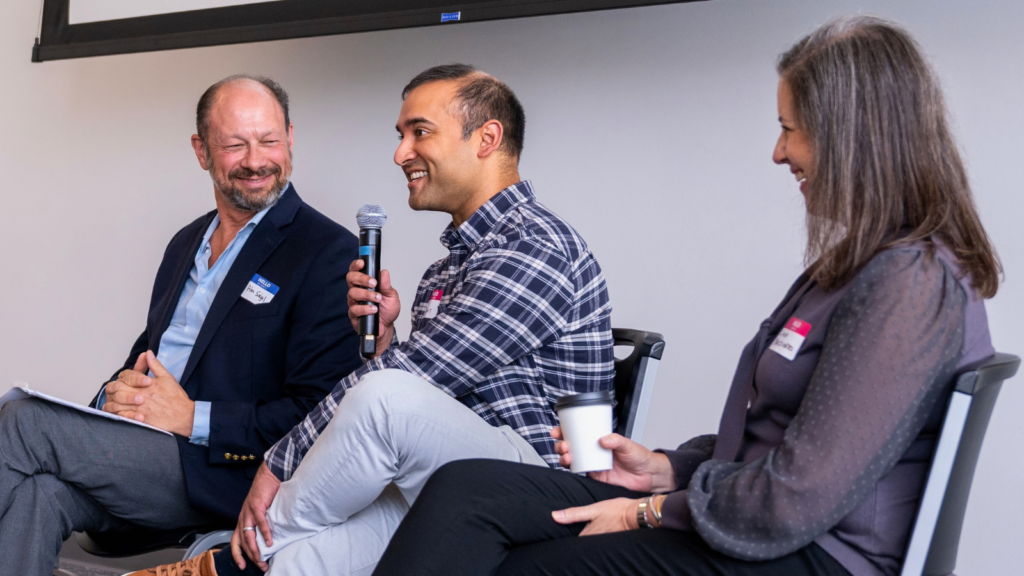
The Scientific Leadership Council
Our Scientific Leadership Council (SLC) provides consensus recommendations on matters of scientific research that hold bearing over national and local policy, research development, and program implementation. The SLC brings together one of the most respected interdisciplinary bodies in the field, spanning medicine, psychology, public health, technology, education, neuroscience, and more.
Their Role
Share and develop relevant research, tools, and active interventions developing in the field.
Provide scientific recommendations on key initiatives and policy priorities, including the advocacy goals of the Foundation for Social Connection Action Network (F4SCAN).
Highlight areas of need and surface opportunities for future research and intervention development.
Meet the Council
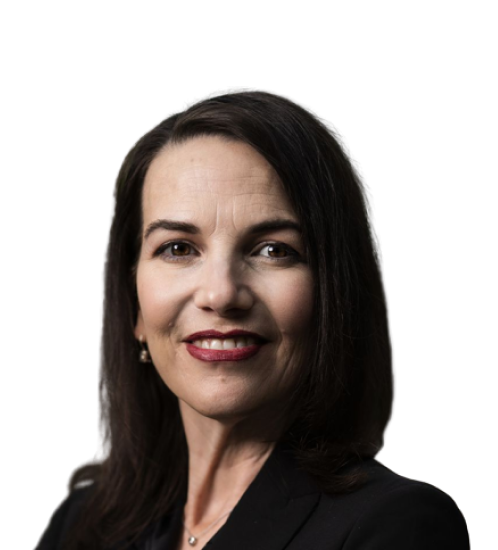
Dr. Julianne Holt-Lunstad
Professor of Psychology and Neuroscience, Brigham Young University

Dr. Carla Perissinotto
Professor of Medicine, University of California, San Francisco
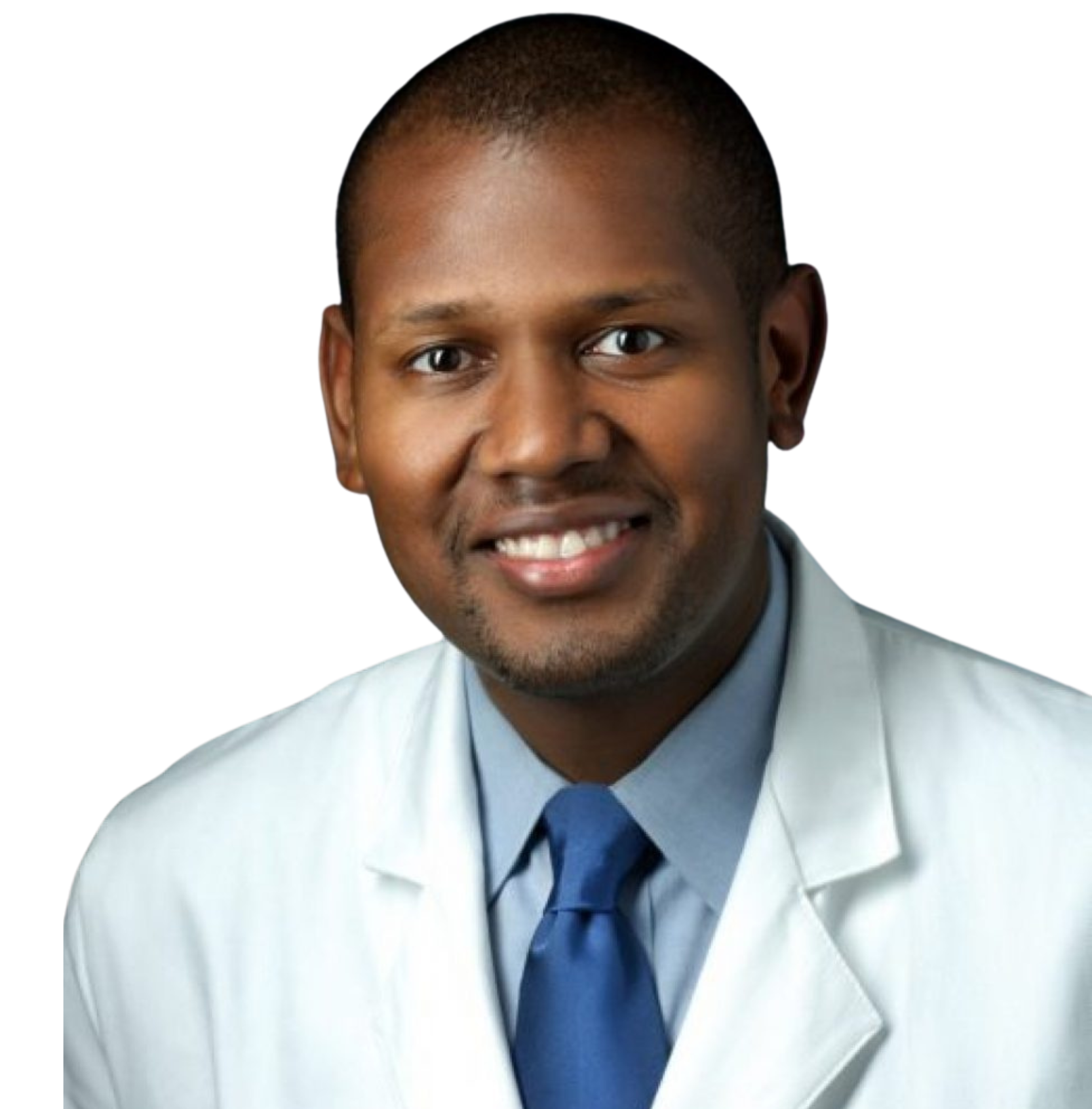
Dr. Thomas Cudjoe
Associate Professor of Medicine, Johns Hopkins University
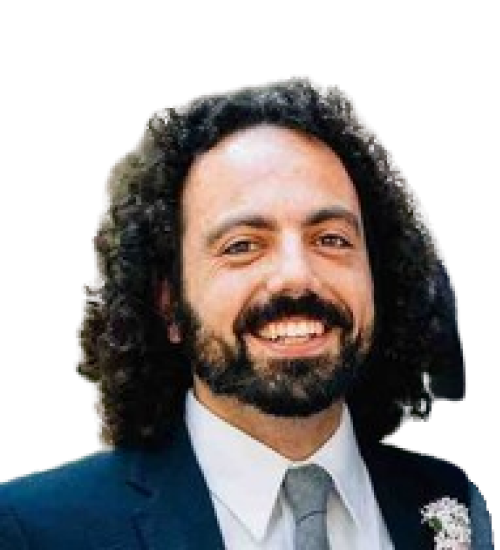
Dr. Matthew Pantell
Assistant Professor of Pediatrics, University of California, San Francisco
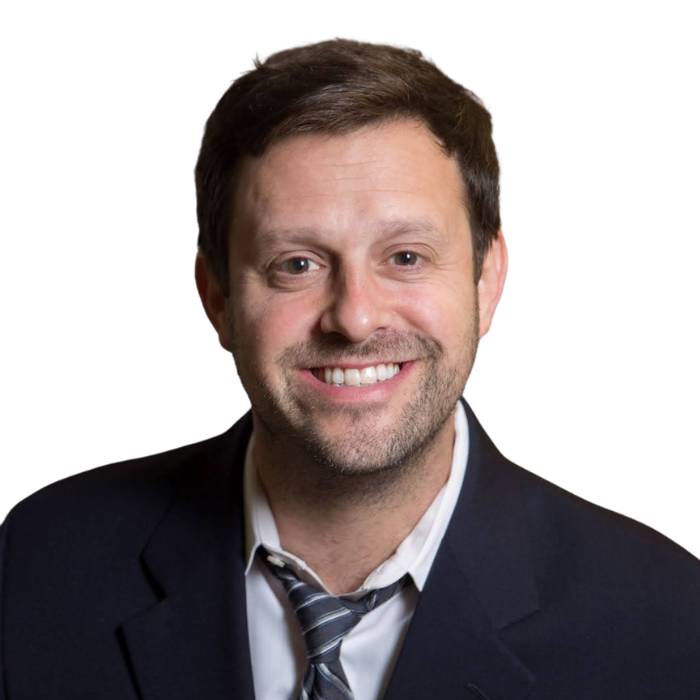
Dr. Matthew Lee Smith
Professor, Indiana University – Bloomington, School of Public Health

Dr. Nicole Ellison
Professor, University of Michigan School of Information
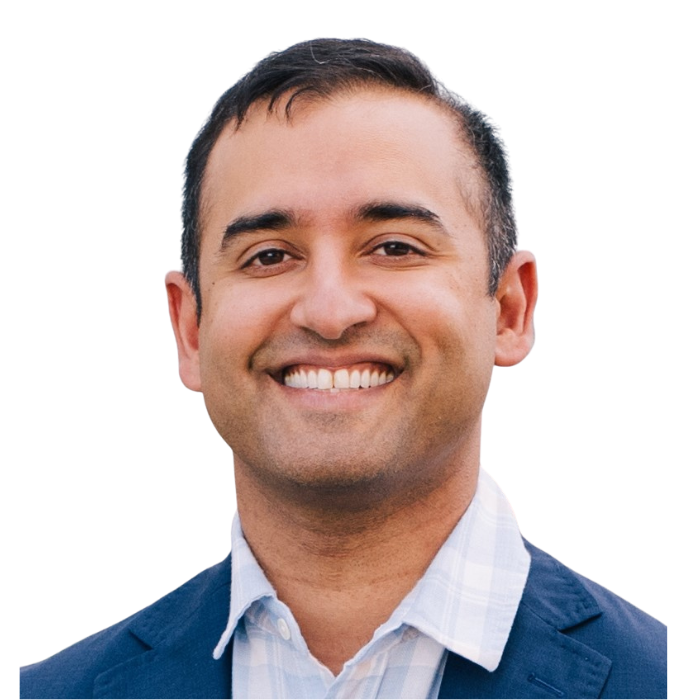
Dr. Ashwin Kotwal
Assistant Professor of Medicine, University of California, San Francisco

Dr. Dani Dumitriu
Associate Professor of Pediatrics in Psychiatry, Columbia University

Dr. Milena Batanova
Director of Research & Evaluation, Making Caring Common
Beyond the Council
A Wider Circle of Scientific Collaborators
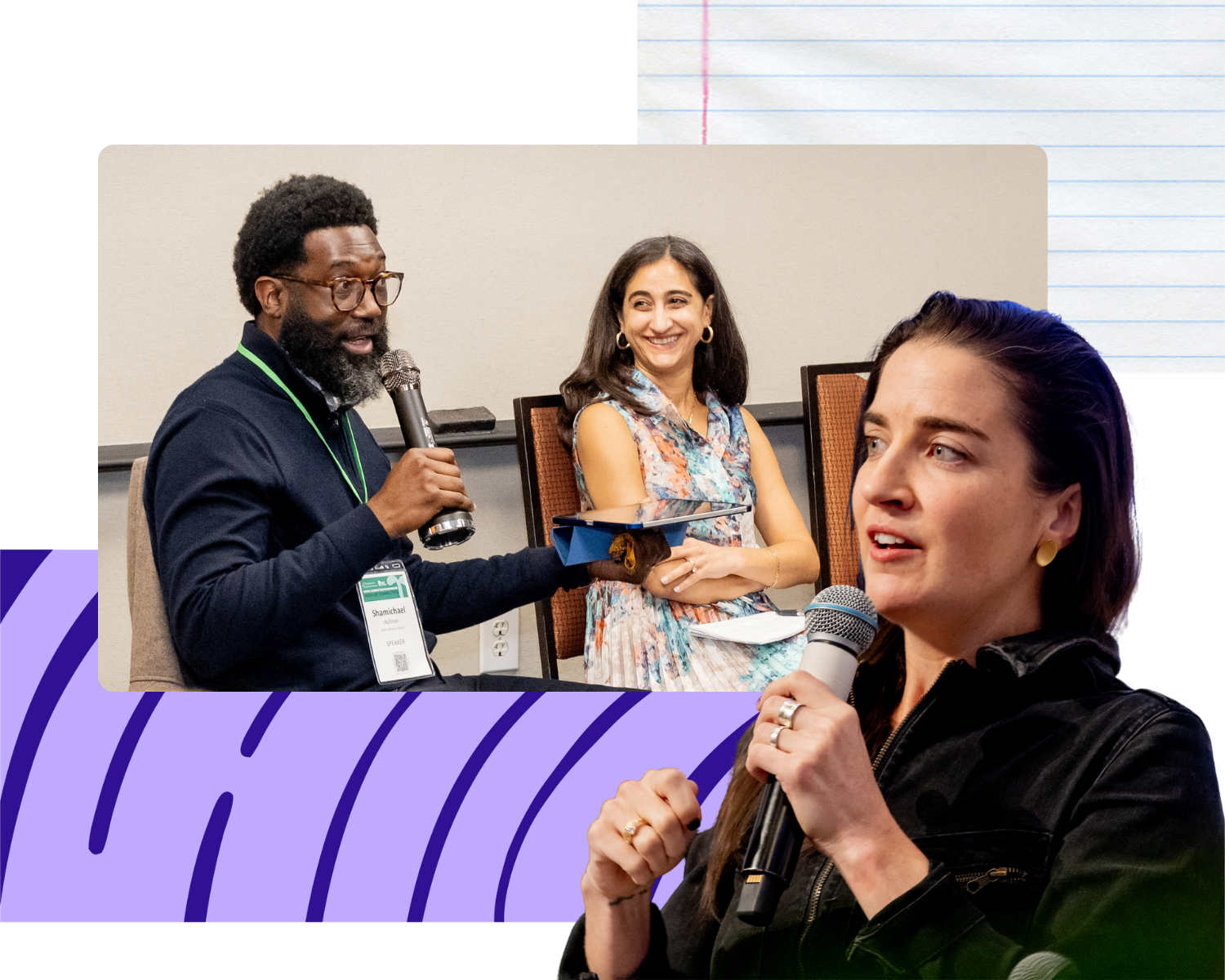
In addition to working with our SLC, F4SC hosts a broader community of researchers across disciplines and institutions, who lend their expertise to specific projects, reports, and initiatives. Their insight helps ensure our work stays rigorous, current, and responsive to the field’s evolving evidence base.