
July 31, 2026
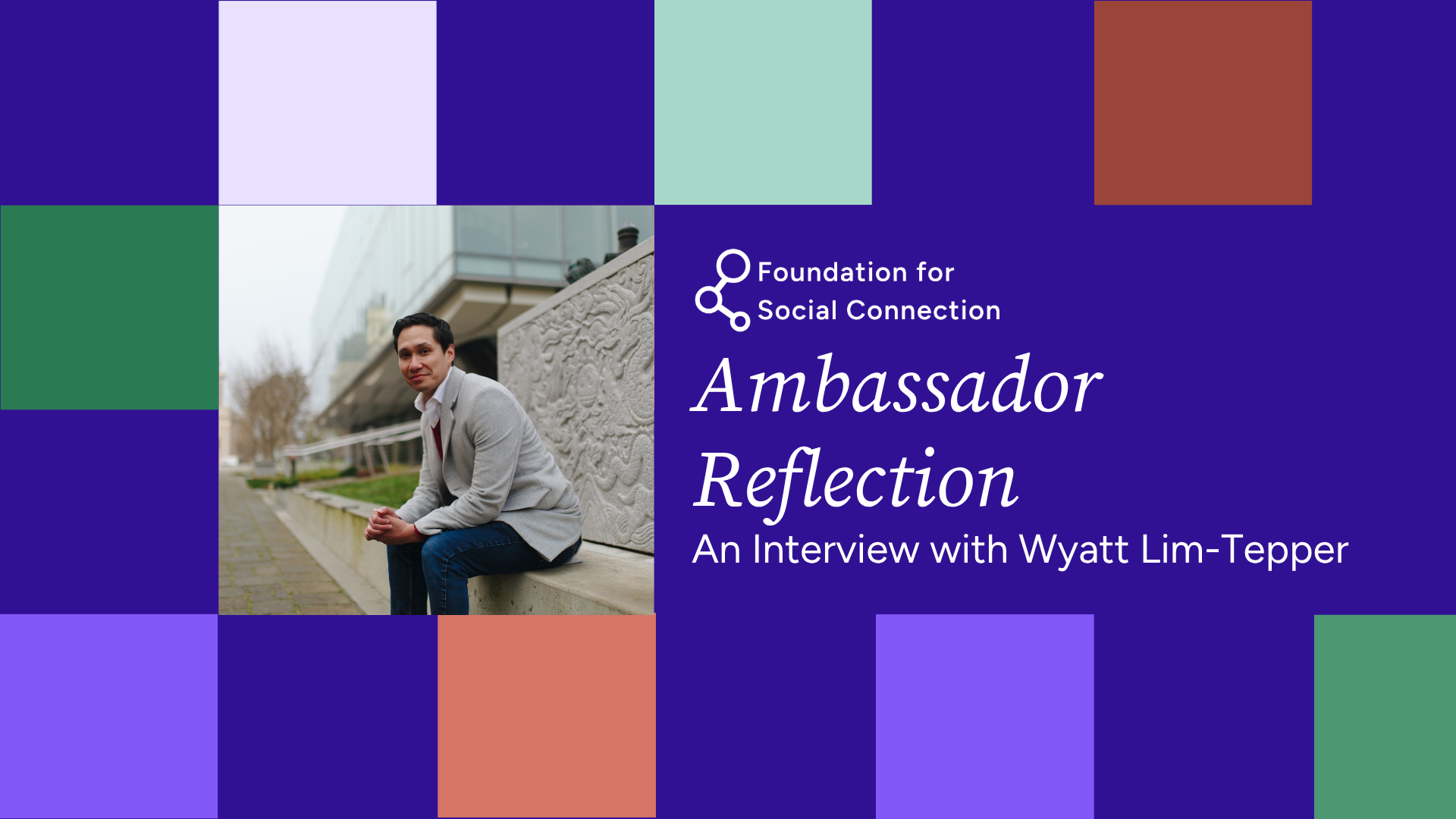
By: Wyatt Lim-Tepper, F4SC Ambassador
A few years ago, I attended a conference where one of my mentors spoke about the importance of social connection—particularly the adverse health effects of isolation. My experience working with people in recovery, addressing substance use disorders, criminal thinking patterns, and a lack of prosocial engagement, made me curious and excited to learn more about the role social connection plays in recovery.
To be honest, the idea of hosting events, managing logistics, and conducting outreach was intimidating. My worst-case scenario was feeling like a high school student who put immense effort into throwing a party, only for no one to show up. Once I moved past that unwarranted fear and realized that social connection was about helping our clients—not about me—our organization began thinking through how to make social connection a core value that could benefit both our clients and our stakeholders.
We came up with two ideas: Community Days and Volunteer Days. Community Days gave us the opportunity to rent a community space where clients, staff, court personnel, and community partners could come together for food and activities. It was incredible to look around the room and see parents making bouquets with their children, people laughing over board games, people walking around with bubble wands, and strangers becoming friends. There were no titles, hierarchies, or labels—just people gathering and connecting. You couldn’t tell who was a client, a staff member, a judge, or a community provider. We were simply a community sharing space together.
Volunteer Days were just as rewarding. We partnered with organizations such as food banks and community gardens, bringing court staff and clients together to serve alongside one another. Not only did it get us away from our phones and constant notifications, but it also gave us a shared purpose. It was remarkable to see judges, attorneys, and clients gardening, packing food, and giving back to their communities together. Those moments created connections that are rarely possible within the traditional criminal justice system.
The public health perspective on social connection has also become integral to how we measure success. At A Curiae, we incorporated the Multidimensional Inventory of Recovery Capital (MIRC) into our intake process. We wanted to look beyond traditional measures such as recidivism rates and drug tests to better understand the progress people were making in rebuilding their lives. Those metrics alone don’t capture the significance of someone finding stable employment, reconnecting with their family, or picking up their children from school every day. Recovery is about much more than avoiding negative outcomes; it’s about building a meaningful life. Creating opportunities for people to connect with one another strengthens public health, public safety, and our communities.
Today, social connection has become the foundation of both my work and A Curiae’s mission. It is one of our core values and guides how we design our interventions, educate stakeholders, and engage with both the public health and criminal justice systems. Research and best practices continue to move in this direction. The sooner we recognize that connection is not simply a nice addition, but an essential part of recovery and community well-being, the better our outcomes will be.