
Despite growing recognition of loneliness and isolation as urgent public health challenges, the field faces a critical barrier: the lack of alignment and consistency in how we measure social isolation, loneliness, and social connection (SILC). Current tools are fragmented, outdated, and often fail to reflect lived experiences, hindering the evaluation of interventions and the advancement of patient-centered comparative clinical effectiveness research (CER).
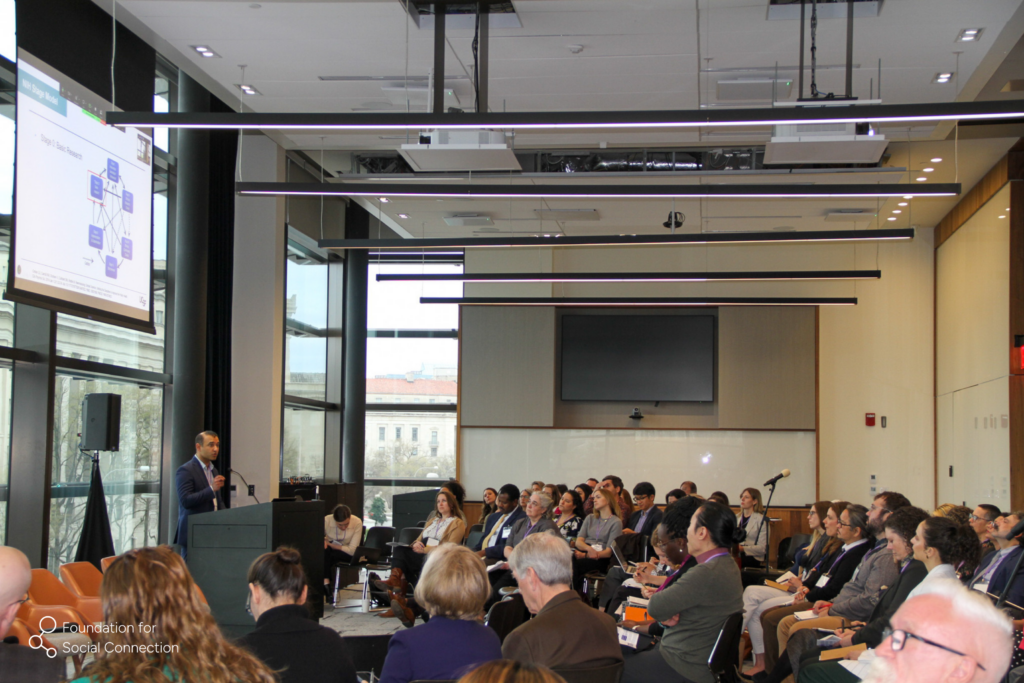
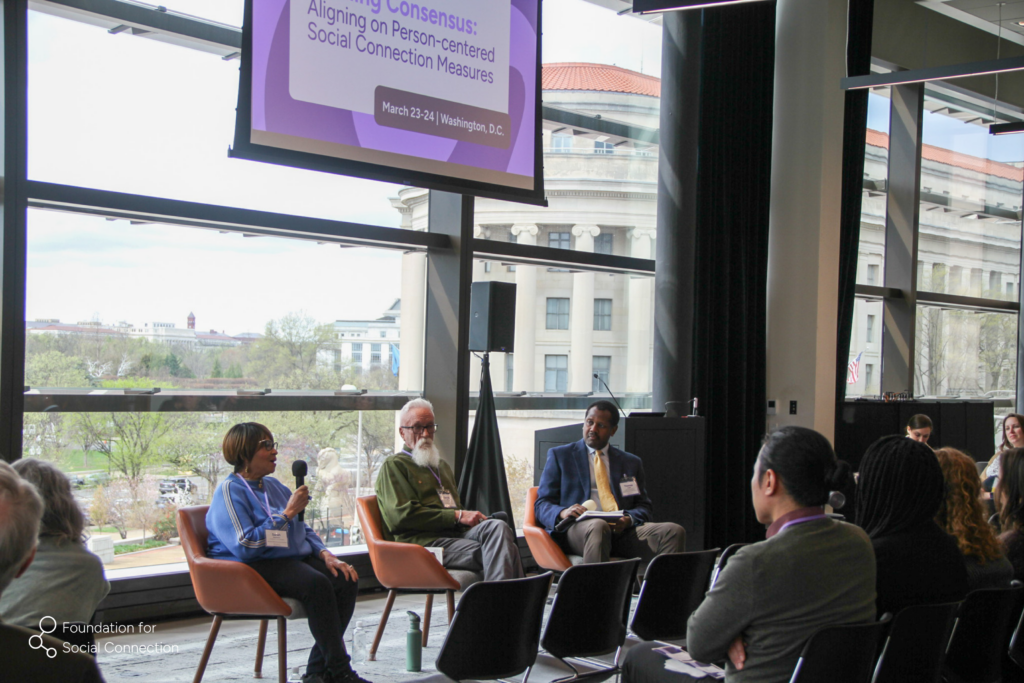
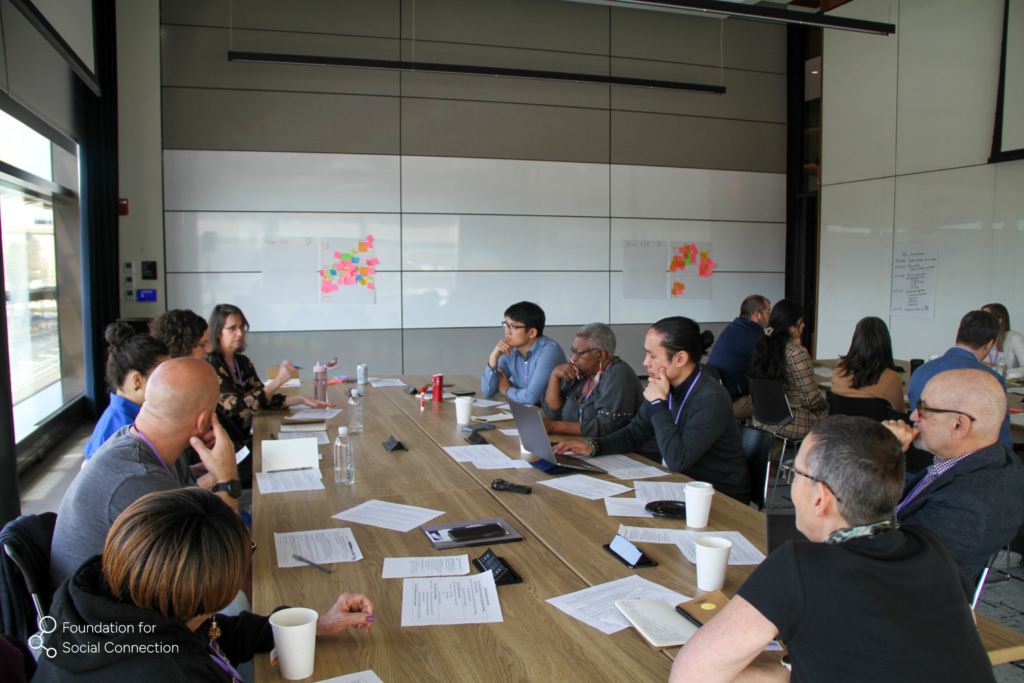
To address this challenge, the Foundation for Social Connection convened leading researchers, clinicians, patients, and other advocates at Building Consensus on March 23-24 in Washington, D.C. Together, we assessed current tools, learned from patient perspectives, and built consensus on validated approaches that strengthen research and improve patient-centered care.
7:30 AM
Registration, Breakfast, and SPARKS Mentor-Mentee Meetings
8:30 AM
Introductory Session
Introduction to Facilitation Approach
Why Measurement Matters for Person-centered Social Connection Research
9:30 AM
Topic 1: Measurement Across Settings
Measurement Considerations and Gaps in Epidemiologic Survey Research
Measurement Considerations in Clinical Screening and Medical Records
Measurement Considerations and Gaps for Community-based Programs
Pulse Check and Dialogue
10:50 AM
Morning Break
11:15 AM
Topic 2: Measurement Considerations from Person-centered Perspectives
A Conversation on Bridging Research, Policy, and Practice
Lived Experience Panel, featuring perspectives across the life course
1:00 PM
Lunch
2:00 PM
Topic 3: Measurement Considerations for Different Groups
Facilitated Case Study: Capturing Social Isolation, Loneliness, and Connection Across the Life Course
Facilitated Case Study: Adapting Measures for Culturally and Linguistically Diverse Populations
Measurement Considerations for Technology-mediated Social Connection
Measurement Considerations in the Context of Serious Illness
3:30 PM
Gallery Walk
4:30 PM
Reception
6:00 PM
SPARKS Mentor-Mentee Dinner
7:30 AM
Breakfast
8:30 AM
Pulse Check and Instructions for Day 2
8:45 AM
World Café: Assess Measurement Feasibility for Key Questions
10:00 AM
Morning Break
10:15 AM
Mini Hackathon: Pathways to Address Measurement Challenges
11:30 AM
Highlights and Final Reflections
Workshop “Harvest”
Final Reflections: Translating Findings from the Convening into Action
Closing Remarks
12:30 PM
Conclusion of Convening



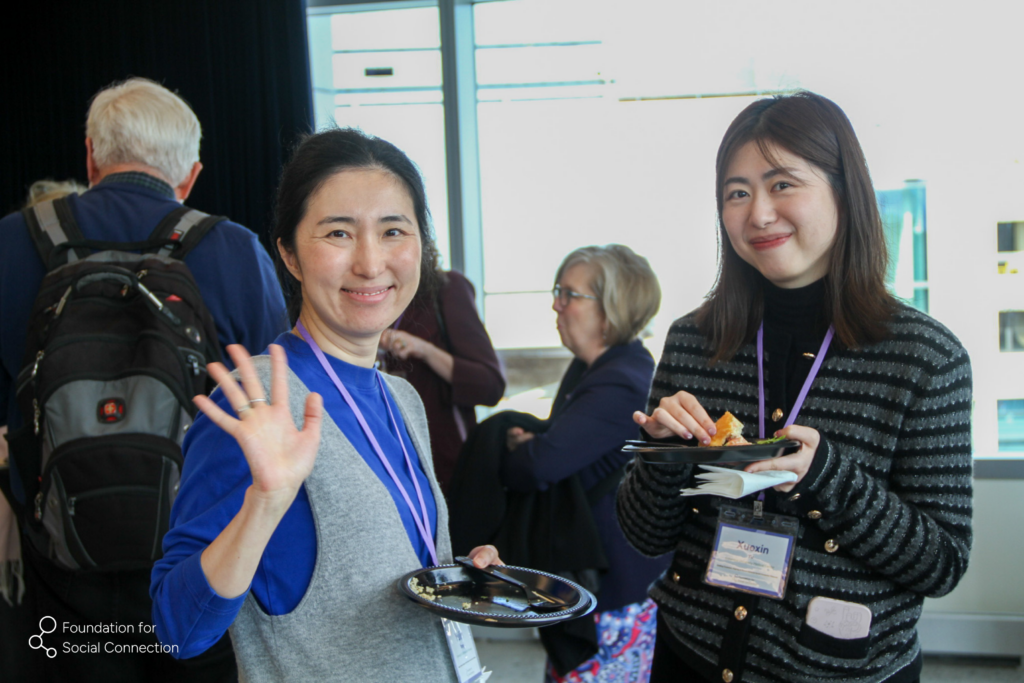
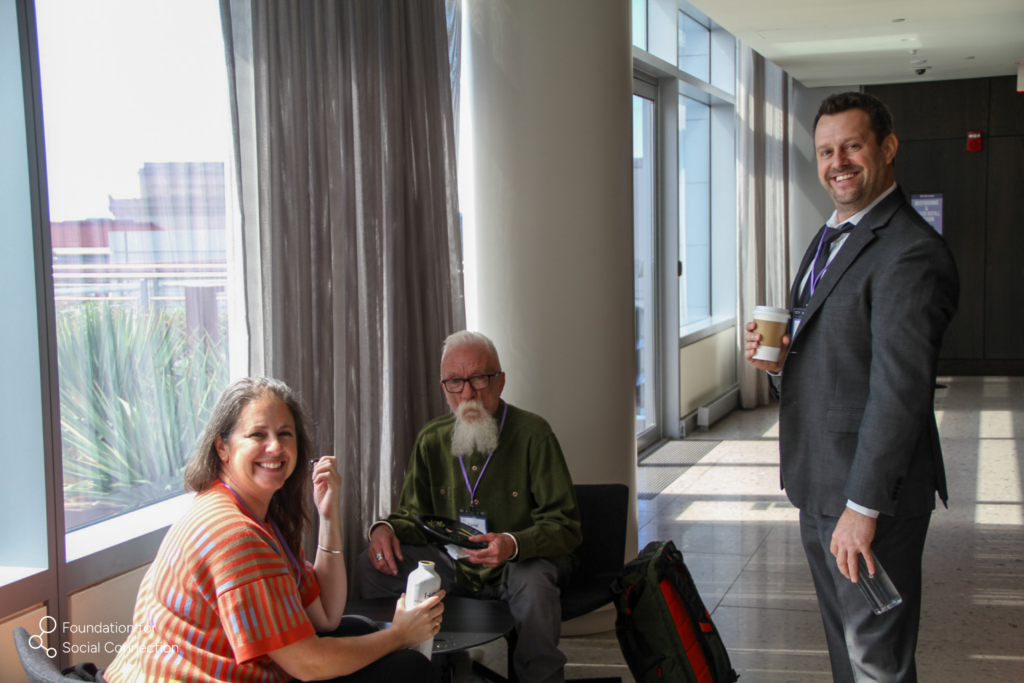

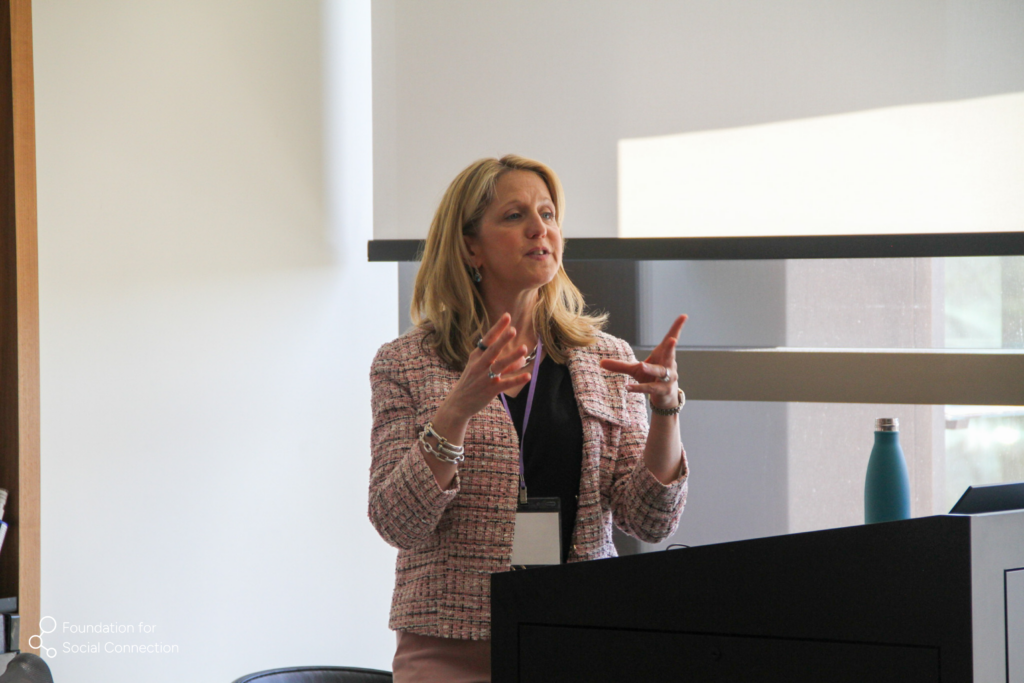

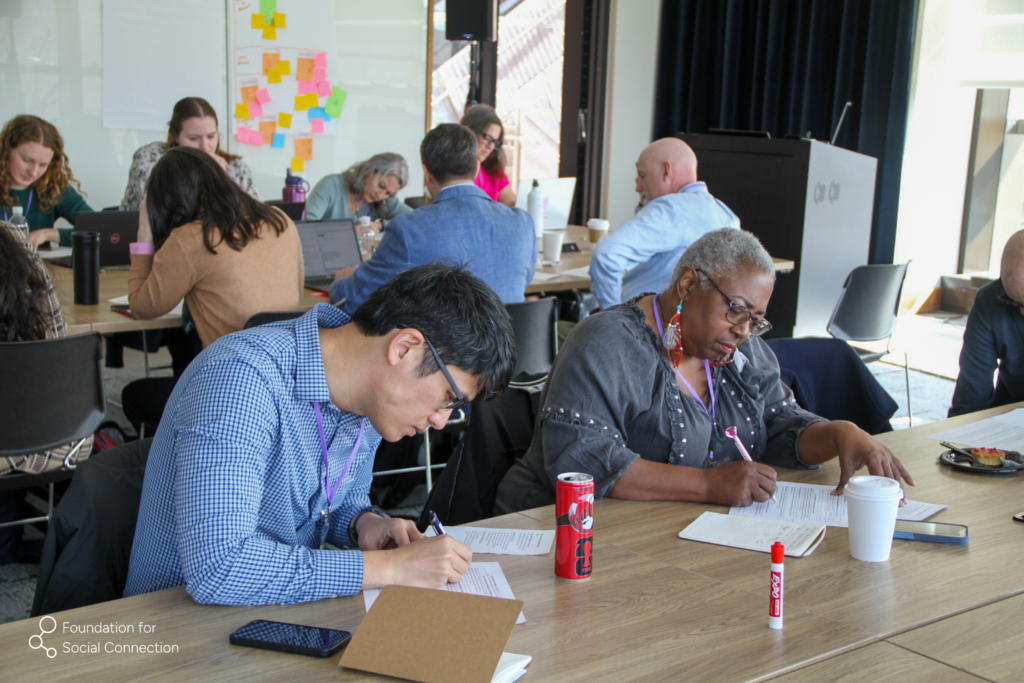
Revisit key insights from the following presentations shared by our speakers.
Explore who joined us below! To help spark new connections and collaborations, we’re sharing an attendee list so participants can see who’s in the room, identify shared interests, and build relationships.
The convening was guided by an Oversight Committee composed of leading researchers and stakeholders with expertise in patient-centered comparative effectiveness research (CER). The Committee provided strategic input on planning, patient and stakeholder engagement, and alignment with existing measurement efforts, helping ensure the convening reflected rigorous science, equity, and real-world relevance for aging and health research.

Louise McMahon Ahearn Endowed Professor, Boston College
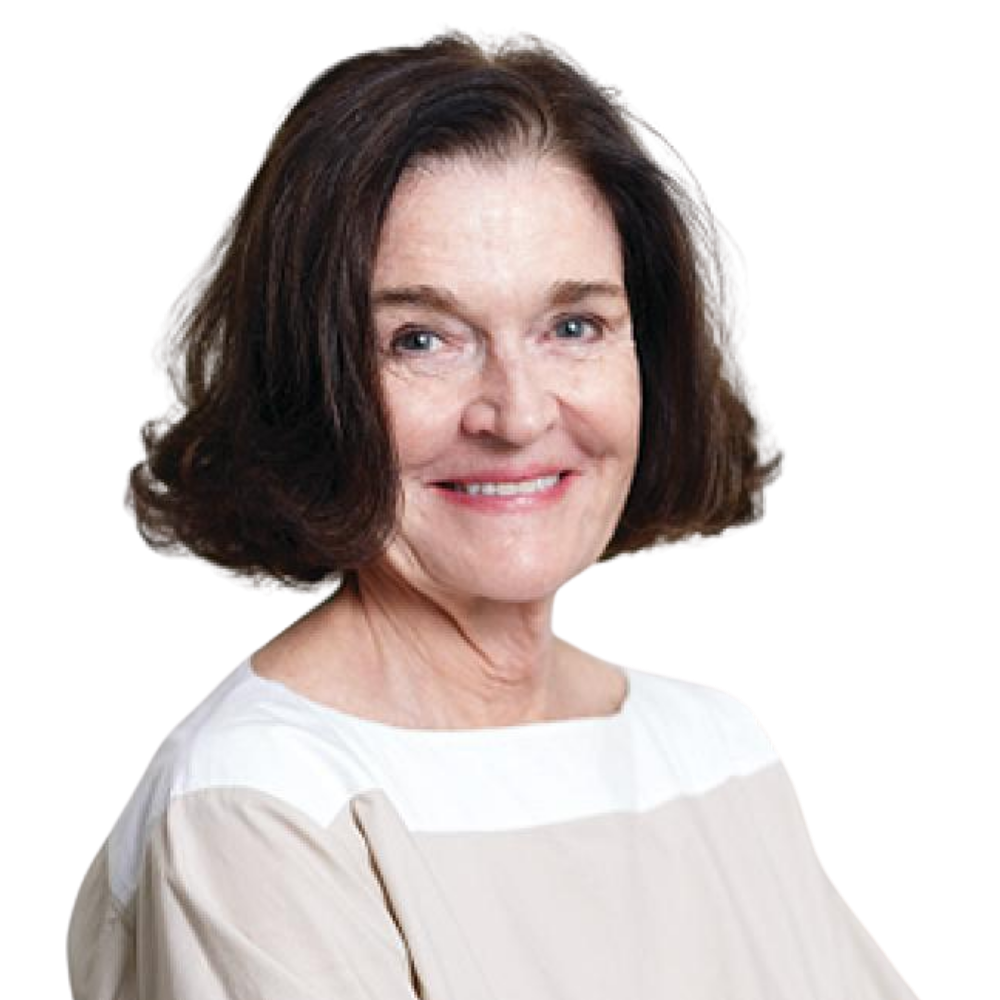
Gladys and Roland Harriman Professor of Medicine Director, Center on Aging and Behavioral Research Division of Geriatrics and Palliative Medicine

Senior Program Officer and Director of Research & Evaluation, RRF Foundation for Aging

Psychiatric Epidemiologist, Johns Hopkins
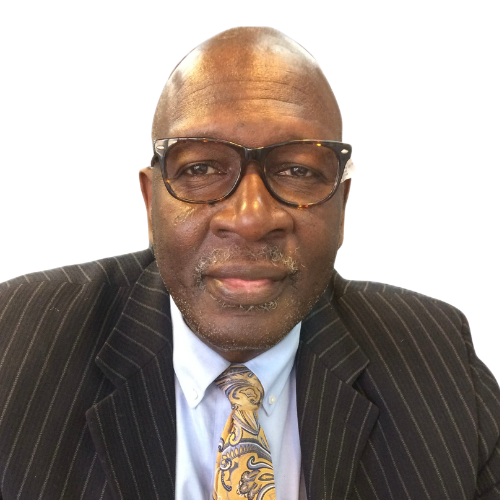
Benefits Coordinator Lead, SC Thrive
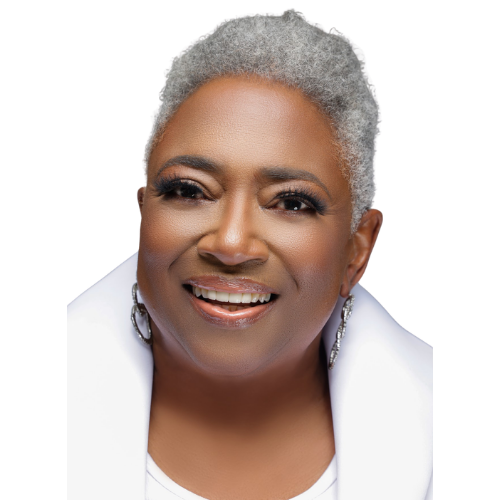
Principal & CEO, LifeSprings Consulting Group, LLC
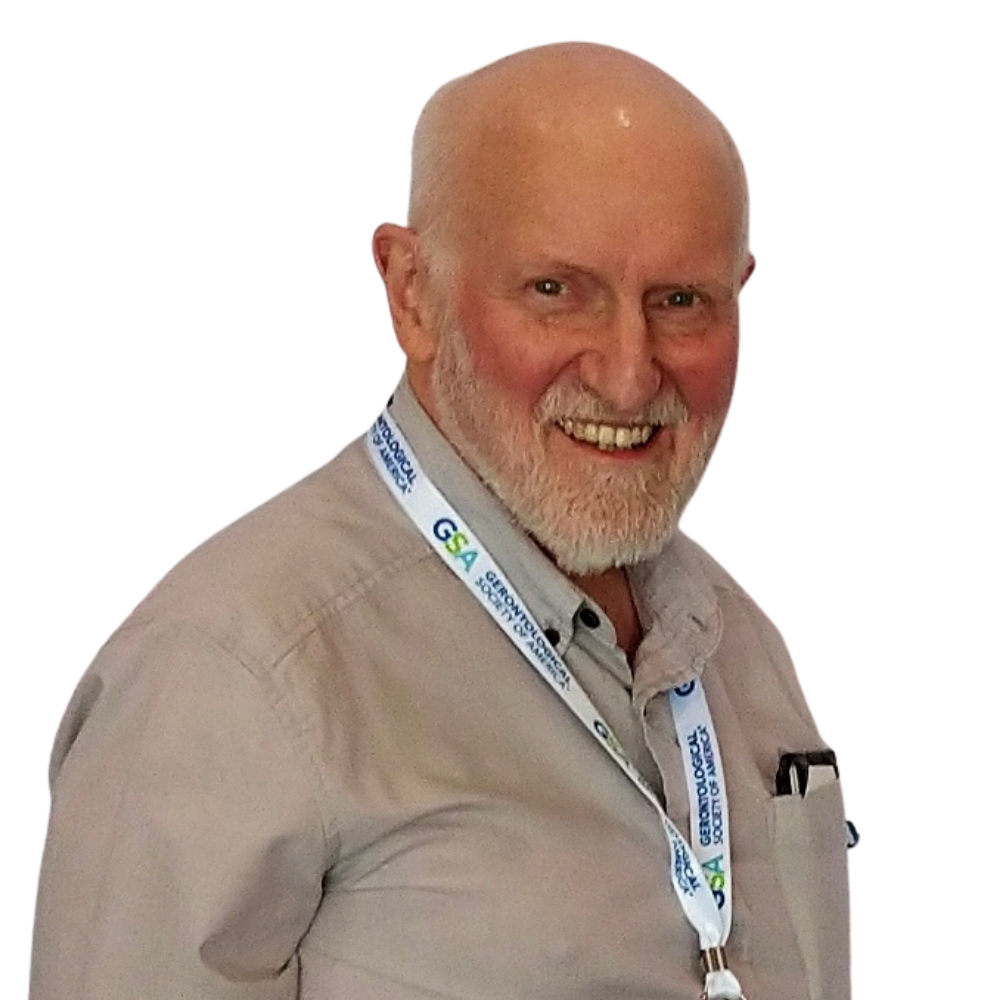
Professor Emeritus, Boston College and at University of California, Los Angeles
As part of this convening, we created the SPARKS (Scholars on the Path to Advance Research and Knowledge on Social connection) Program to support promising early-stage investigators committed to advancing research on social connection, loneliness, and social isolation. The program provides travel support, mentorship from established scholars, and dedicated networking and training opportunities to help cultivate the next generation of researchers in patient-centered comparative effectiveness research. Below are our SPARKS mentors and mentees.
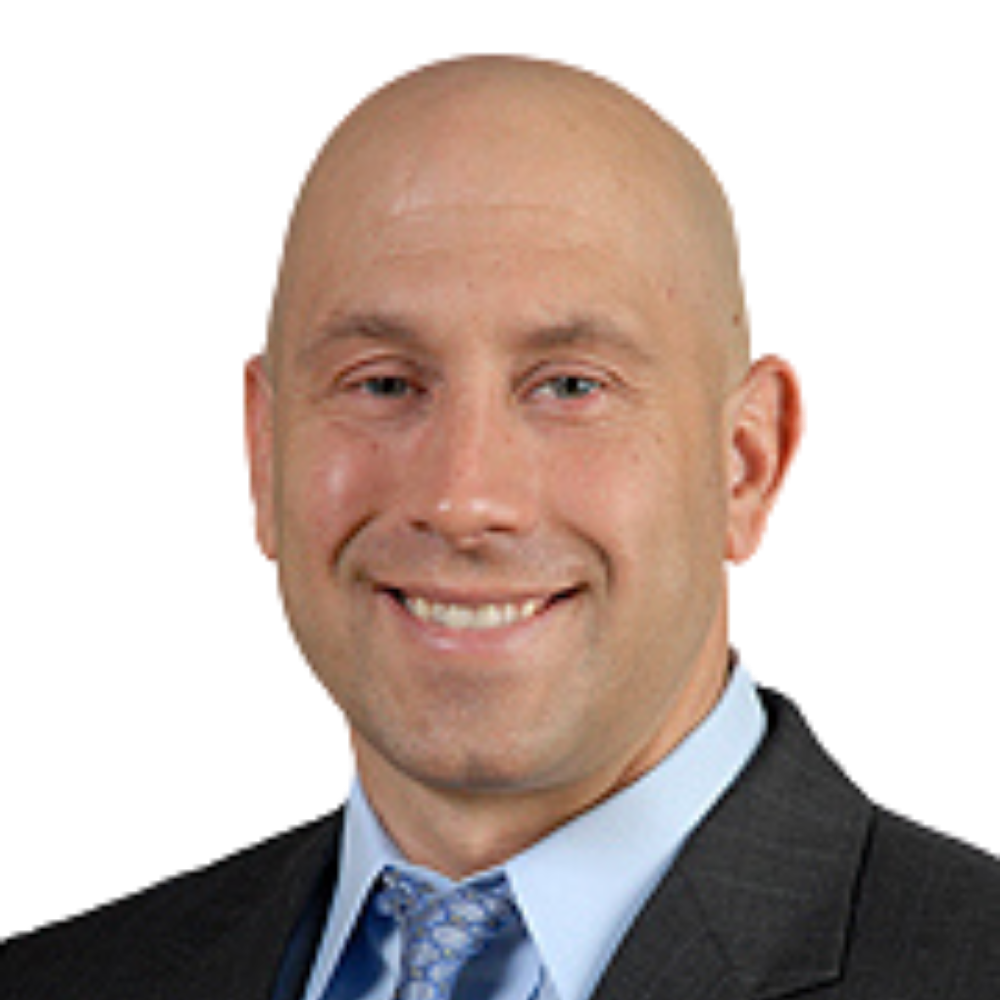
Associate Professor, McGovern Medical School at UTHealth Houston, Director, Texas Elder Abuse and Mistreatment Collaboratory
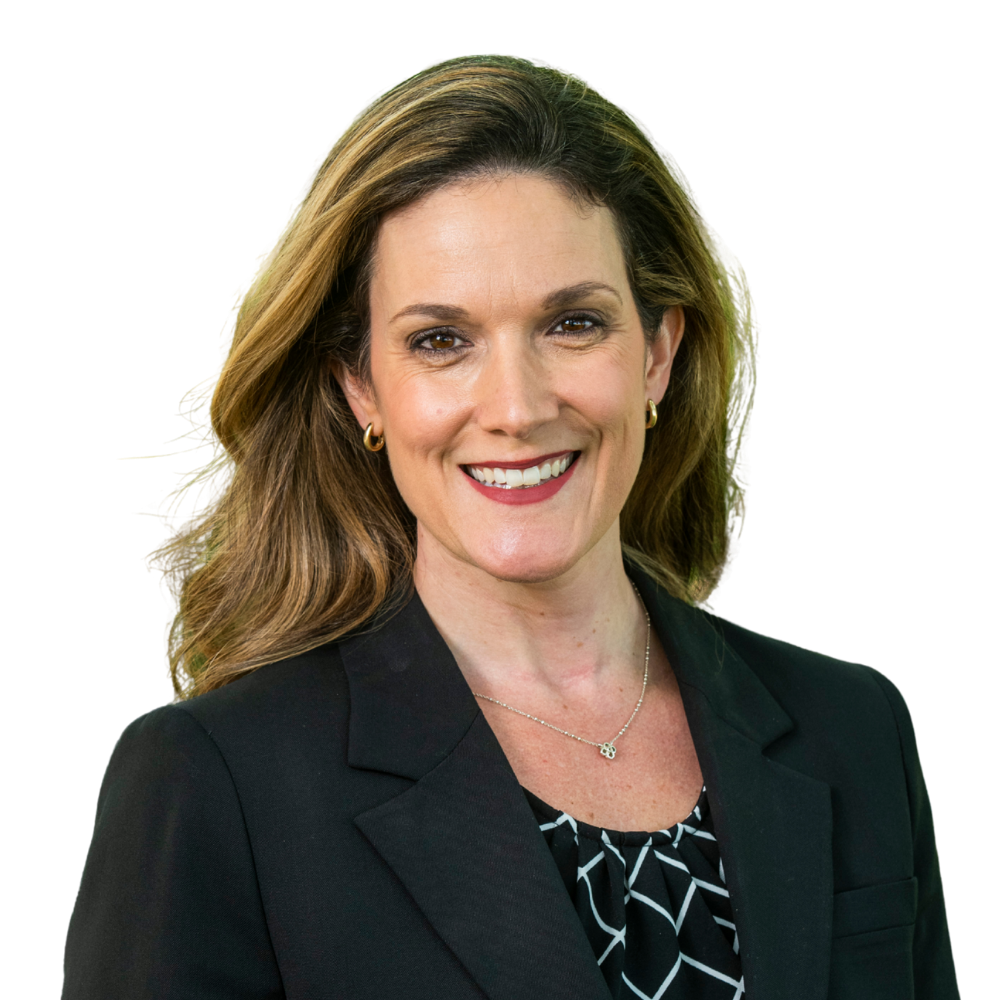
Associate Professor, Northwestern University

Assistant Professor, Boston University
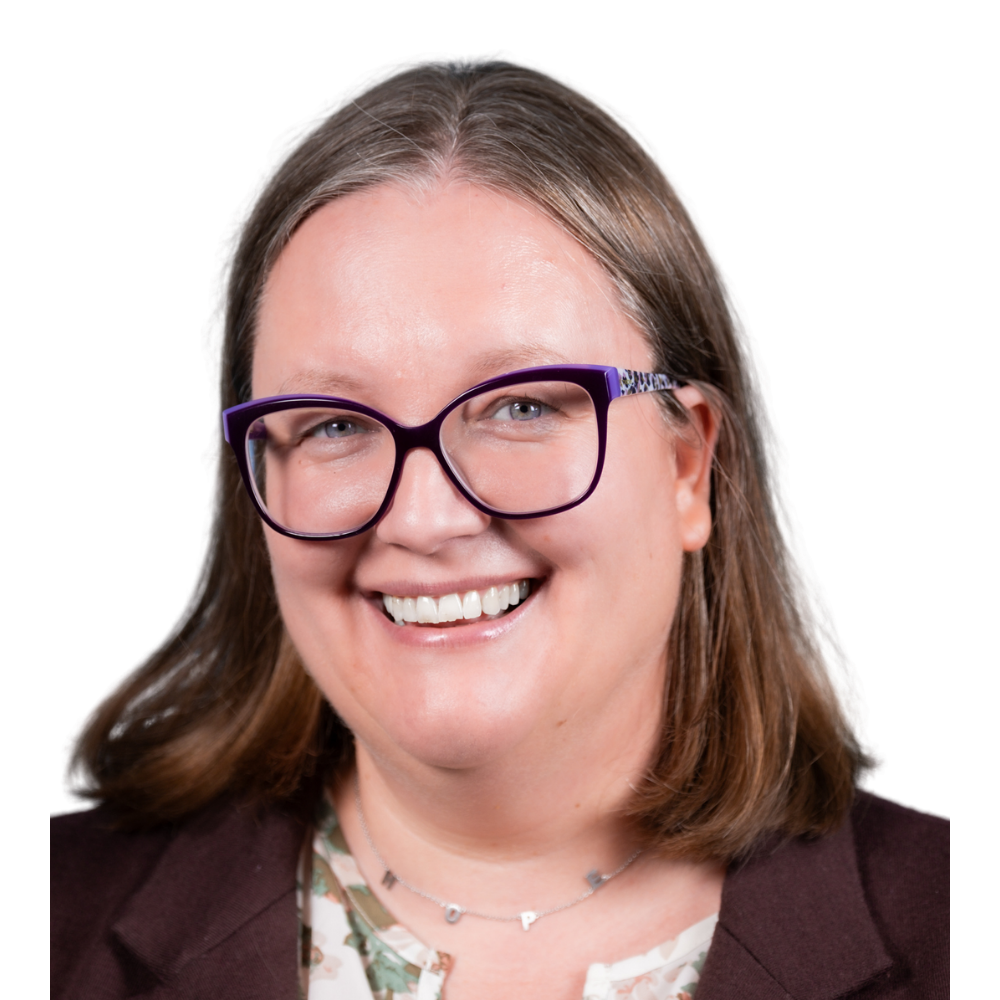
Associate Professor, University of Rochester School of Medicine & Dentistry

Assistant Professor, University of South Florida
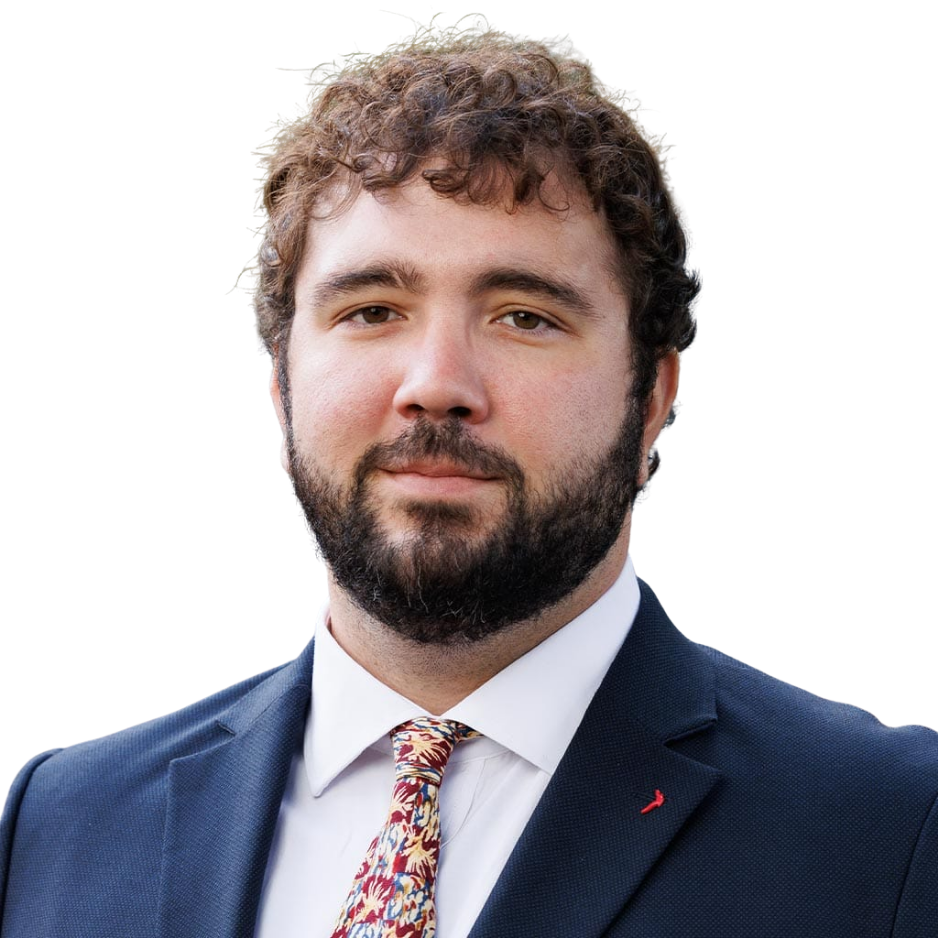
Assistant Professor, Claremont Graduate University
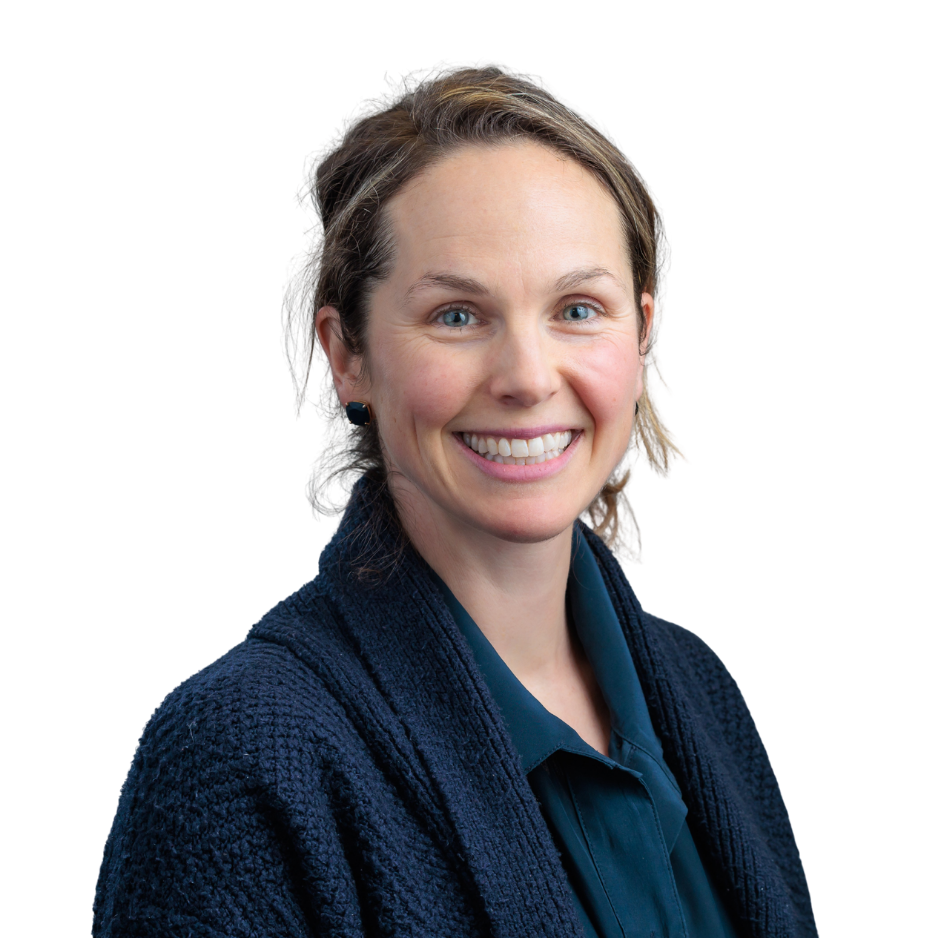
Social Demographer, University of Chicago
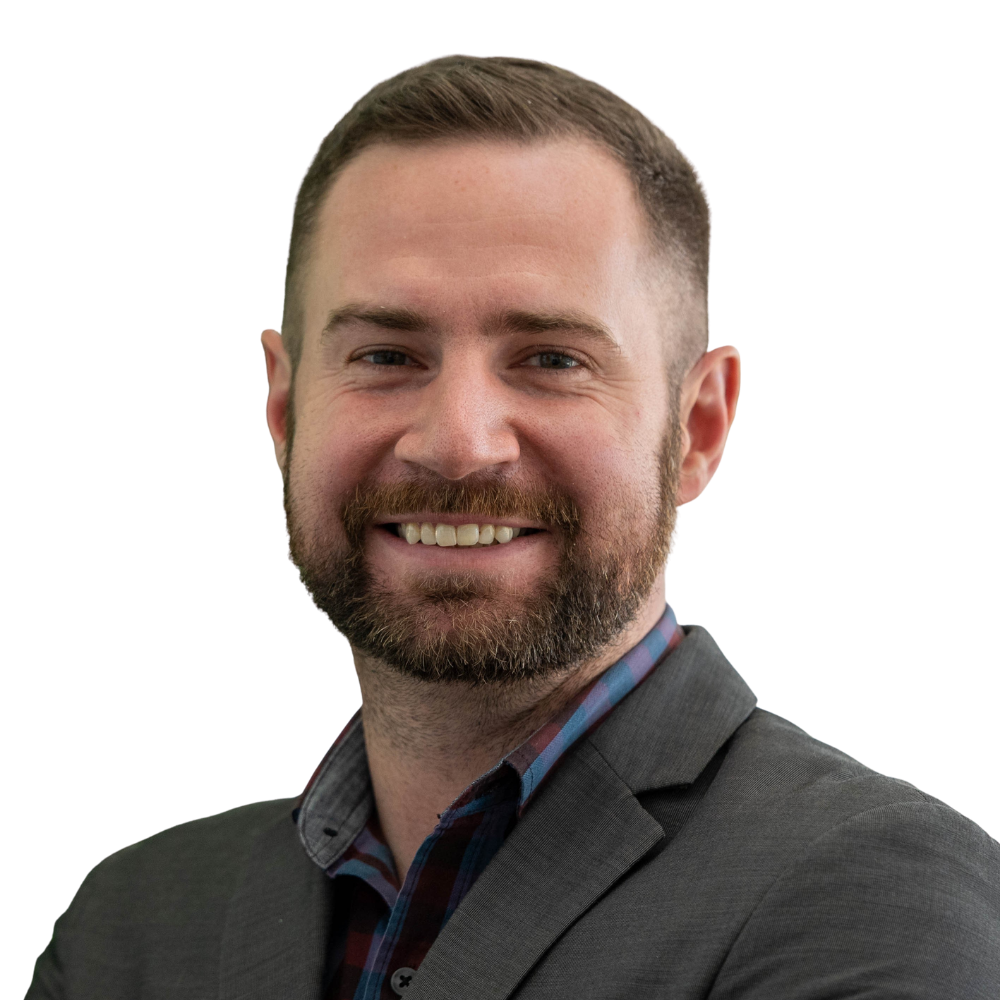
Assistant Professor, Texas A&M University

Assistant Professor, UT Southwestern Medical Center
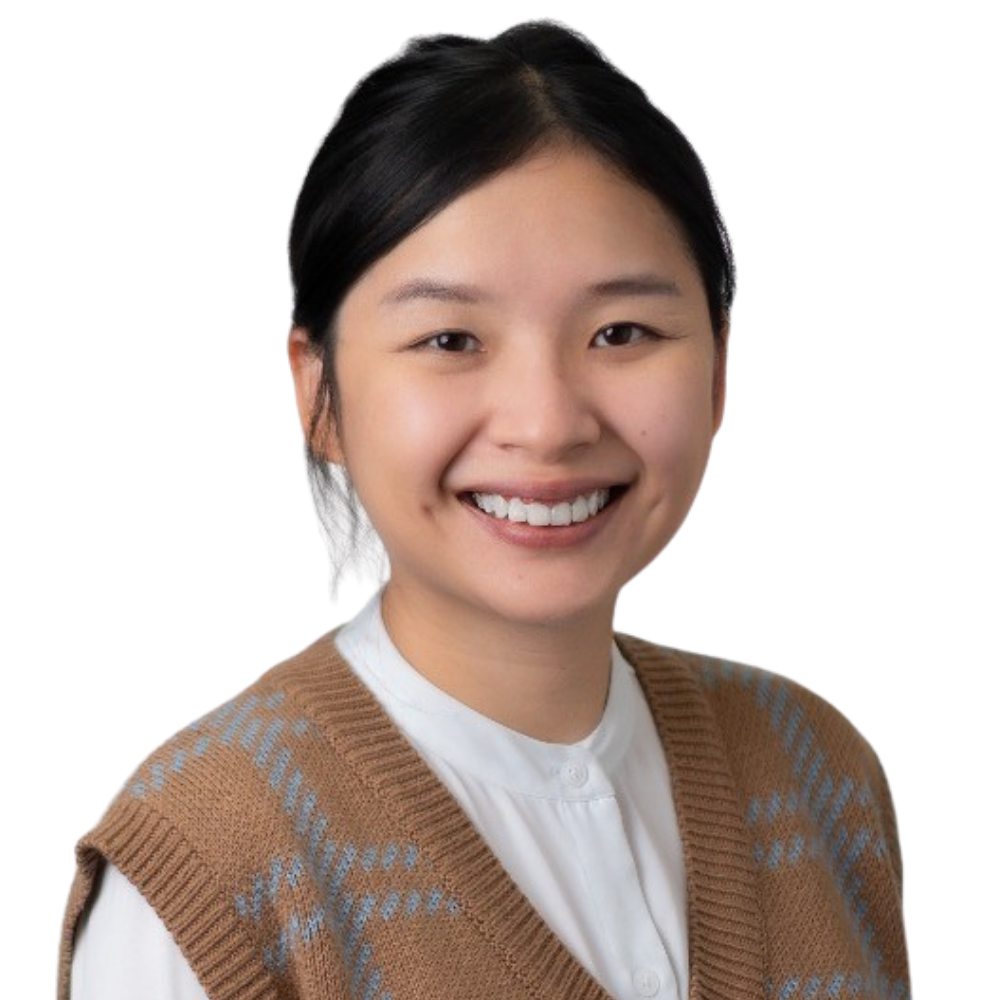
Postdoctoral Associate, Boston University
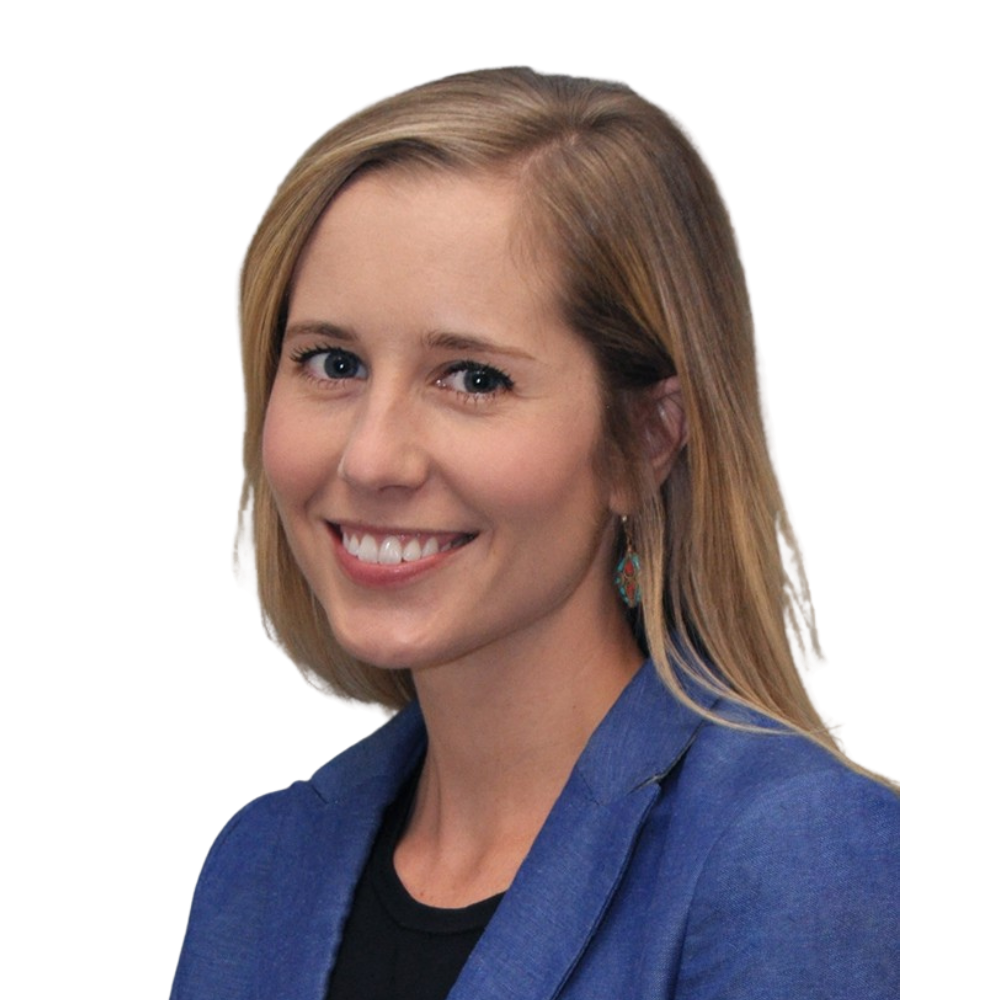
Assistant Professor, University of Colorado Department of Family Medicine
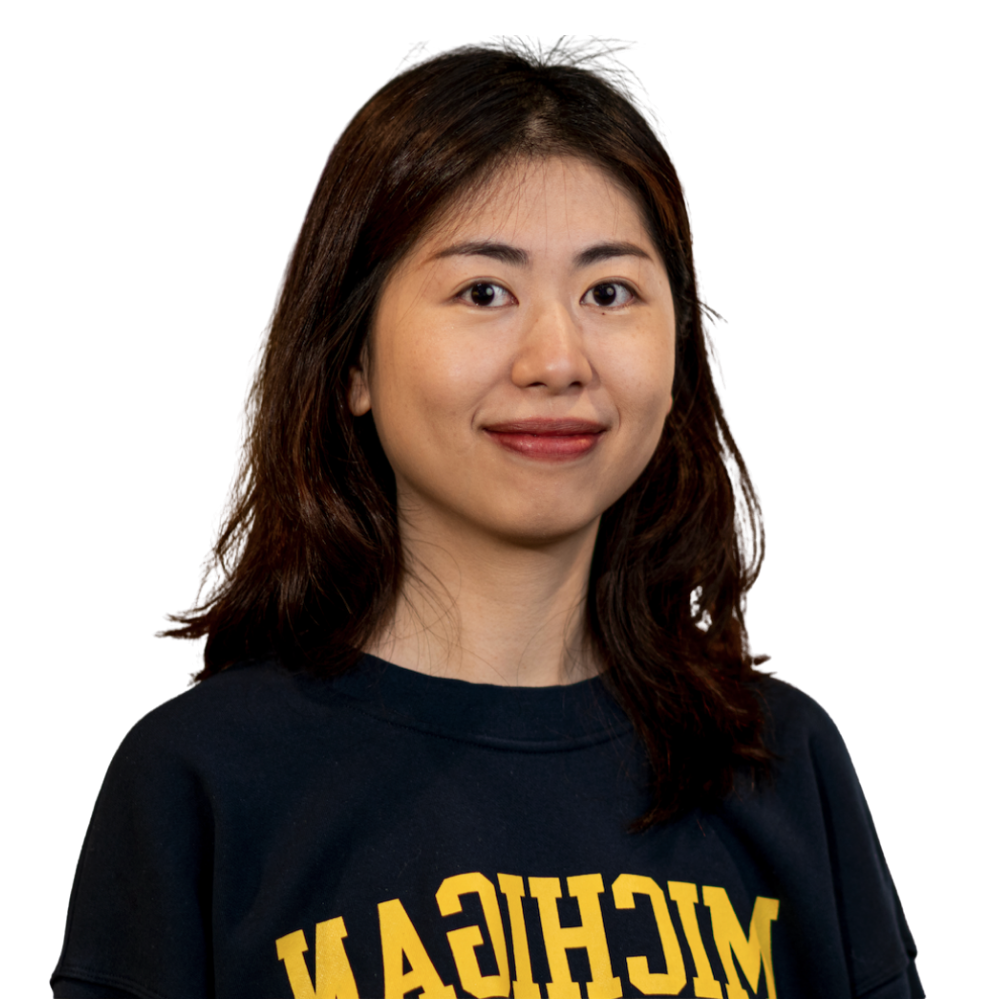
Postdoctoral Research Scientist, Columbia University
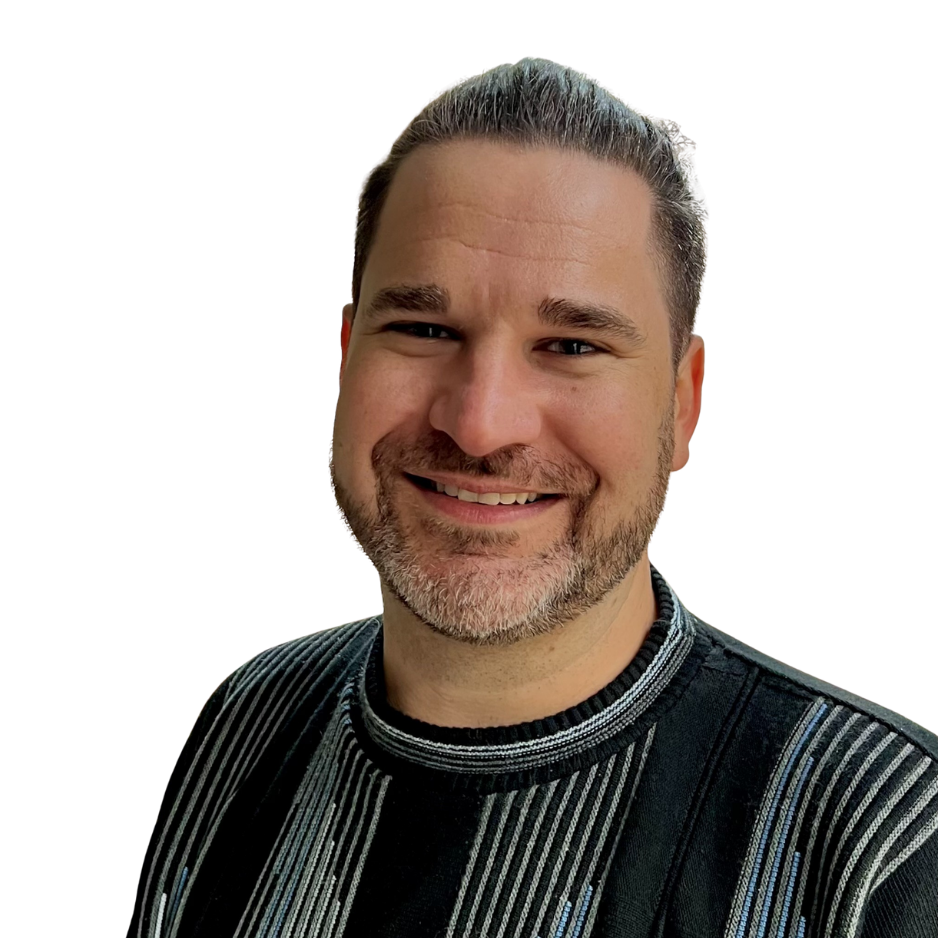
Lead Research Scientist, UW Department of Family Medicine
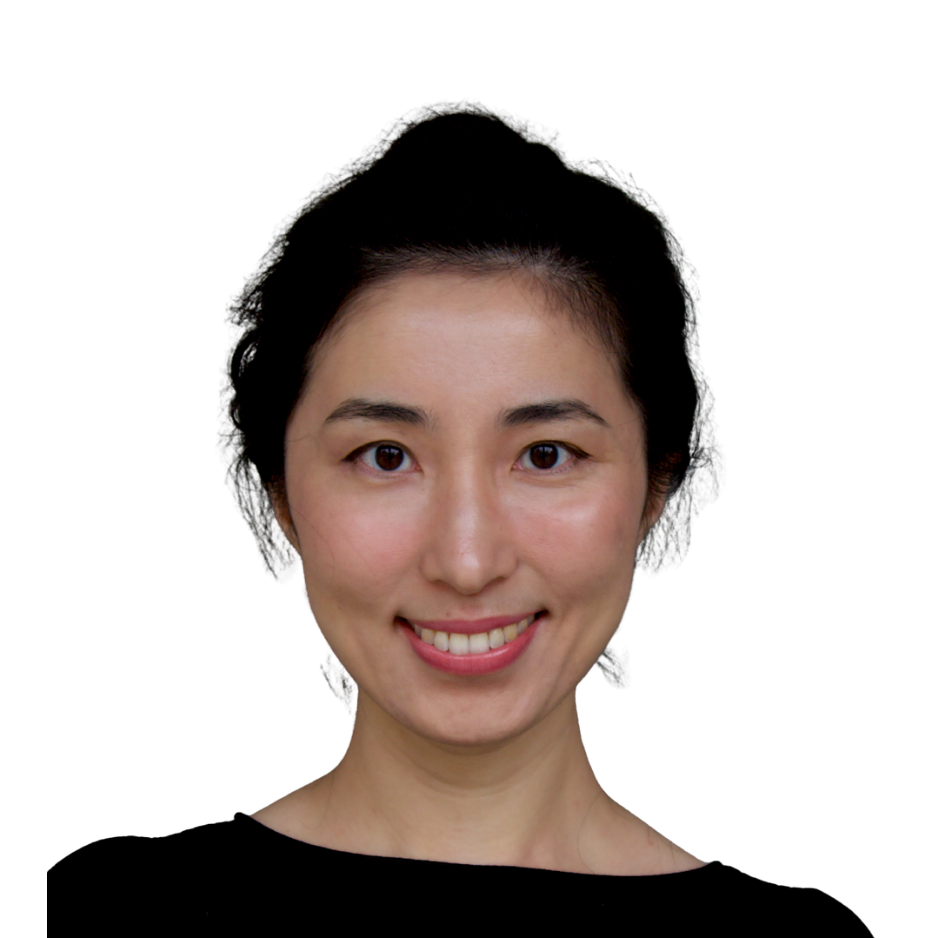
Postdoctoral Fellow, University of California, San Francisco
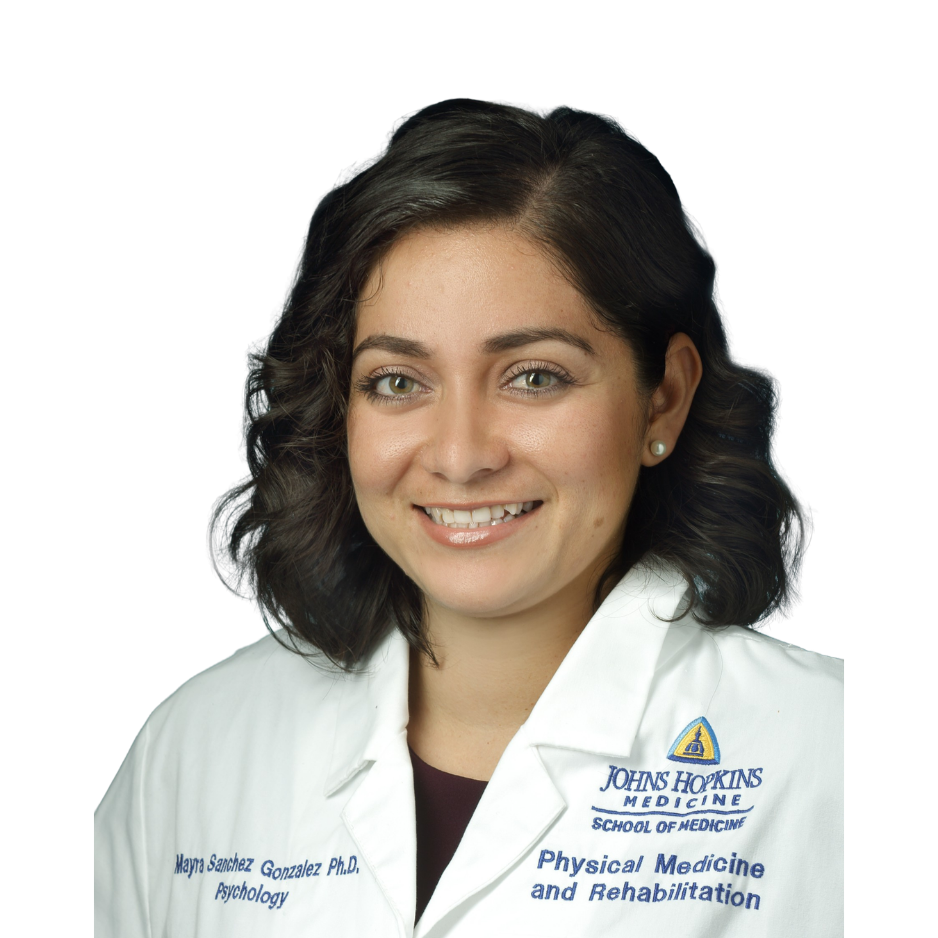
Assistant Professor, Johns Hopkins University School of Medicine