Day Two
Wednesday, October 29th
An optional morning walk departs from the Candler Hotel to the conference venue at 7:30 AM. Breakfast and networking begin at 8:00 AM at the Loudermilk Conference Center.
8:30 – 9:05 AM
Opening Plenary
25 Year Survey on Social Connection in America
This session introduces a 25-year research initiative that will track key indicators of social connection and their influence on health and well-being in the United States. Through an interactive panel discussion, participants will gain insight into the goals of this landmark survey project—namely, to build consensus around validated measures, establish consistent national benchmarks, and produce essential data to inform policies and interventions that promote improved health and well-being across the country.
9:05 – 9:55 AM
Morning Panel Session
Now What? Policy, Design, and the Future of AI & Youth Well-Being
As AI reshapes daily life, how can policymakers, technologists, and researchers align to center youth well-being and connection? This conversation will dive into regulation, ethical tech development, and the structural shifts needed to promote and protect social connection in a digital age. Panelists will offer insight into current data, potential policy responses, and the tensions between innovation and harm reduction.


10:05 – 11:20 AM
Concurrent Panel Sessions
Flamboyant Futures: Slow Salon Gatherings Through Art, Identity, and Kinship
In 18th-century France, salons were hubs of conversation and exchange. Long before that, across Black and diasporic communities from the Caribbean to the continent, slow gathering was already a way of life: sitting with stories, music, food, and each other. We carry those legacies forward.
In a moment when we can broadcast a thought to millions yet feel disconnected from our neighbors, this session explores a revival of salon-style gatherings as a way to reconnect IRL (in real life), especially for those in the in-between: creatives, deep feelers, and folks on the margins of traditional spaces.
thyrd space is a salon-style social club in Phoenix. We host intimate, themed gatherings rooted in dialogue, art, and kinship in spaces where people come as they are and leave with more.
Inspired by a flamboyance of flamingos (vivid, together, and unafraid) we borrow that spirit, along with queer traditions of gathering, from the Harlem Renaissance and beyond. Our mission is the same: to create rooms where being fully seen invites new worlds to form.
This session will explore:
- The power of third spaces to foster belonging beyond work or home
- How salons become living rooms for shared wisdom through art, story, and gentle structure
- Tools to host your own salon, plus a small in-room example to feel it together
What sparks in this session doesn’t end here. Carry it forward and help it arrive where connection still needs a home.

A New Roadmap: Structural Investment in Relationships to Build Social Capital and Economic Mobility
This session brings together researchers and practitioners to explore how deep relational work can build social capital and advance economic mobility across communities. Drawing on insights from research and local implementation efforts, panelists will share examples of how inclusive, sustainable partnerships with community members result in neighborhoods in which everyone thrives. Featuring case studies from communities, the panel will examine how policy, practice, and community narrative are converging to drive neighborhood transformation.
Frances Kraft
Director of Research and Practice

Shamichael Hallman
Director of Civic Health and Economic Opportunity, Urban Libraries Council

Kevin Howard
Program Officer, Economic Mobility and Opportunity, Gates Foundation

Edna Ishayik
Senior Advisor, National Conference on Citizenship

Danielle Varda
Chief Executive Officer, Visible Network Labs
Parks and Public Spaces as Hubs for Community Collaboration and Connection
Recent research highlights that Americans are eager to connect across lines of difference, but many don’t know where to begin. We value intergroup contact but often hesitate. We’re unsure how to start and worried about being misunderstood. However, the research also shows that shared goals and collaborative activities are the most appealing ways to build bridges.
This session will explore methods to activate parks as civic infrastructure that brings communities together across lines of difference. In a time when our communities are increasingly segregated by race, income, and political ideology – parks provide the common ground we need to build intergroup relationships and provides the connection opportunities that Americans want and need.
In Chattanooga, Tennessee, three parks became testing grounds for a social contact intervention that invited racially diverse residents to co-design and build benches. Over three weeks, participants worked side-by-side in hands-on, creative collaboration. The results were powerful: statistically significant increases in feelings of welcome and belonging compared to a control group.
Join us to explore how parks and public spaces can strengthen belonging and trust in our communities and how these lessons can be adapted and scaled in your work. Participants will be invited to reflect, share and engage in hands-on activities that connect the research to real-world applications. We’ll explore how simple, collaborative experiences can reduce intergroup anxiety, cultivate relationships, and build stronger, more resilient communities. Participants will leave with practical ideas and tools for embedding bridging opportunities in their work.


Measuring What Matters
How do we measure something as human as connection? This session explores that question through the lens of older adult programs aiming to enhance social well-being. Panelists will walk us through the development and early implementation of innovative measurement tools like RACI and R-Basic—born from the field’s need for better data, stronger stories, and more responsive programs.
Together, they’ll unpack the evolution of these tools: from the limits of existing measures like the UCLA Loneliness Scale, to the collaborative development process guided by the Older Adult Working Group (OAWG), to pilots embedded in real-world settings like affordable housing and community programs. Along the way, they’ll share what surprised them, what challenged them, and what they’re learning—from both research and practice perspectives.
In a field that often struggles to capture the full impact of connection-building efforts, this conversation offers a timely look at how measurement can support—not stifle—meaningful work. Expect honest reflection, early data, and practical insights for those seeking to evaluate and adapt programs with connection at the core.
Dr. Ashwin Kotwal
Assistant Professor of Medicine, University of California, San Francisco
Dr. Matthew Lee Smith
Professor, Indiana University – Bloomington, School of Public Health

Amber Carroll
Senior Director, Connection Programs, Front Porch Communities & Services

Ali Hodin-Baier
Chief Program Officer, DOROT USA
11:30 – 12:45 PM
Concurrent Panel Sessions
Connection in the Digital Age: A World Café on Designing Tech for Human Thriving
In today’s hyper-connected world, we have more digital tools than ever—but fewer moments of true human connection. This session asks a critical question: How might we harness technology to deepen—not dilute—meaningful connection at work and beyond?
Through the World Café method, participants will engage in a series of rotating conversations exploring the dual impact of digital systems on our ability to relate, collaborate, and belong. We’ll examine how workplace technologies—from Slack to Zoom to AI tools—shape the rhythm, depth, and vibrancy of our interactions. And we’ll surface strategies for redesigning digital habits, policies, and platforms to restore relational energy and collective motivation.
Drawing from Sunny’s Social Architecture™ framework and behavioral science, this session empowers participants to think systemically: connection isn’t a feeling—it’s a designable condition. Together, we’ll imagine a future where digital innovation is not the enemy of connection, but its greatest ally.


Public Designs that Spark Belonging and Community: Confluence, Resonance, Connection
Loneliness and disconnection are on the rise, but what if design could help us reconnect?
This session brings an innovative, participatory experience to life: three award-winning public infrastructure designs from the Better Block Foundation’s Creating Connections competition, installed onsite for attendees to explore, interact with, and reimagine for their own communities.
In addition to the physical installations, we will host a live panel featuring the three designers behind each project. Together, we’ll explore how thoughtful, human-centered design can serve as a catalyst for weaving stronger community ties. Each designer will share how their values, combined with the Better Block Creating Connections design prompts—public serendipity, empathy, spiritual connectedness, and honoring shared humanity—inspired new forms of belonging through their work.
What if we could plant Seeds of Connection that keep growing long after the conference ends?
Each design—The Connection Bench, Resonance, and Confluence—was created to spark human connection through simple, beautiful, scalable structures. Built under a Creative Commons license, these designs are free for communities to replicate and adapt, expanding connection beyond the conference walls.
This experience is both a living installation and a collective call to action: weaving together creativity, community, and connection. Participants will leave with a deeper understanding of how public space can be a seedbed for belonging, fresh inspiration for reimagining their own communities, and a living example of how grassroots creativity can meet a universal human need: to feel seen, heard, and welcomed.


From Seeds to Systems: Local Leaders Growing Connection in Community
It starts with a spark—a conversation, a new partnership, a shared goal. In this session, meet the local leaders nurturing those early seeds of connection and growing them into something bigger. You’ll hear from changemakers helping to shape the Foundation for Social Connection’s new Gates-funded framework to strengthen social capital and economic mobility, as well as community leaders using the Action Guide to cultivate trust, collaboration, and belonging where they live. These are the stories of what it takes to plant big ideas in real soil—and help them take root.


Centering Parent Collaboration in Advancing Early Relational Health and Transforming Early Childhood Systems
Nurture Connection is committed to building a world in which we understand the science of emotional connection between people, and recognize it as vital to our lifelong health and flourishing—starting with positive relationships in the earliest years of our lives. As a field catalyst for Early Relational Health, we share emerging knowledge and amplify key breakthroughs, innovations, and collaborations to connect field leaders.
With a core focus on the prenatal-to-three age span, centering families as leaders is foundational to our work. Our Family Network Collaborative, a unique framework of parent collaboration and co-design in research, prioritizes families feeling safe, valued, and respected—and helps us authentically embed parent voice into the work.
This panel provides a unique opportunity to explore Early Relational Health as an upstream approach to helping all families flourish through connected, relational systems. Our interactive session allows attendees to experience our innovative parent collaboration framework firsthand, and explore bringing this impactful co-development strategy to their own work.
Dani Dumitriu
Associate Professor of Pediatrics in Psychiatry, Columbia University

Bryn Fortune
Content Expert Thought Partner, Nurture Connection-Early Relational Health – Family Network Collaborative

Nicole Loveless
Parent Leader for Early Relational Health

Dr. David Willis
Professor of Pediatrics and Psychiatry, Georgetown University
12:45 – 1:30 PM
Community Lunch
Come hungry for connection!
1:45 – 3:00 PM
Concurrent Panel Sessions
Can Intergenerational Connection Heal Us?
The dangers of our loneliness crisis are now well-known. Might connecting across generations be an unexpected solution? Last year, CoGenerate hosted a Community of Practice for 167 organizations using intergenerational strategies to reduce loneliness. Together, they serve more than 230,000 people in eight countries and 30 states, plus Puerto Rico and Washington, D.C. Their budgets range from zero to tens of millions of dollars. Lessons from those leaders and other experts form the foundation of a new report on the power of intergenerational connection. Join us to learn about the healing power of these programs and the relationships they foster.


Social Prescribing: Bridging Systems to Advance Social Connection
Social prescribing is emerging as a powerful tool to address isolation, loneliness, and disconnection—factors that profoundly impact health across the lifespan. This session highlights diverse perspectives from the social prescribing ecosystem, spanning local Atlanta-based implementation to national efforts for scale and sustainability.
Moderated by Lucy Bailey, DrPH(c), MPH, Head of Research at Art Pharmacy, the panel will feature Dr. Emily Pinto Taylor, palliative care clinician and social prescribing partner at Grady Hospital, who will share clinical insights on supporting patients with complex needs. Dr. Carla Perissinotto, Associate Professor at UCSF and nationally recognized for her research on loneliness in older adults, will speak to clinical and policy implications. Dr. Alan Siegel, Executive Director of Social Prescribing USA, will provide a national perspective, drawing on decades of work in arts, nature, and health programs. Christopher Moses, Artistic Director of the Alliance Theater, will discuss the role of the arts in advancing public health.

Lucy Rabinowitz Bailey
Head of Research, SocialRx

Emily Pinto Taylor
Assistant Professor, Emory University School of Medicine

Christopher Moses
Artistic Director, Alliance Theatre

Dr. Alan Siegel
Co-founder and Executive Director, Social Prescribing USA
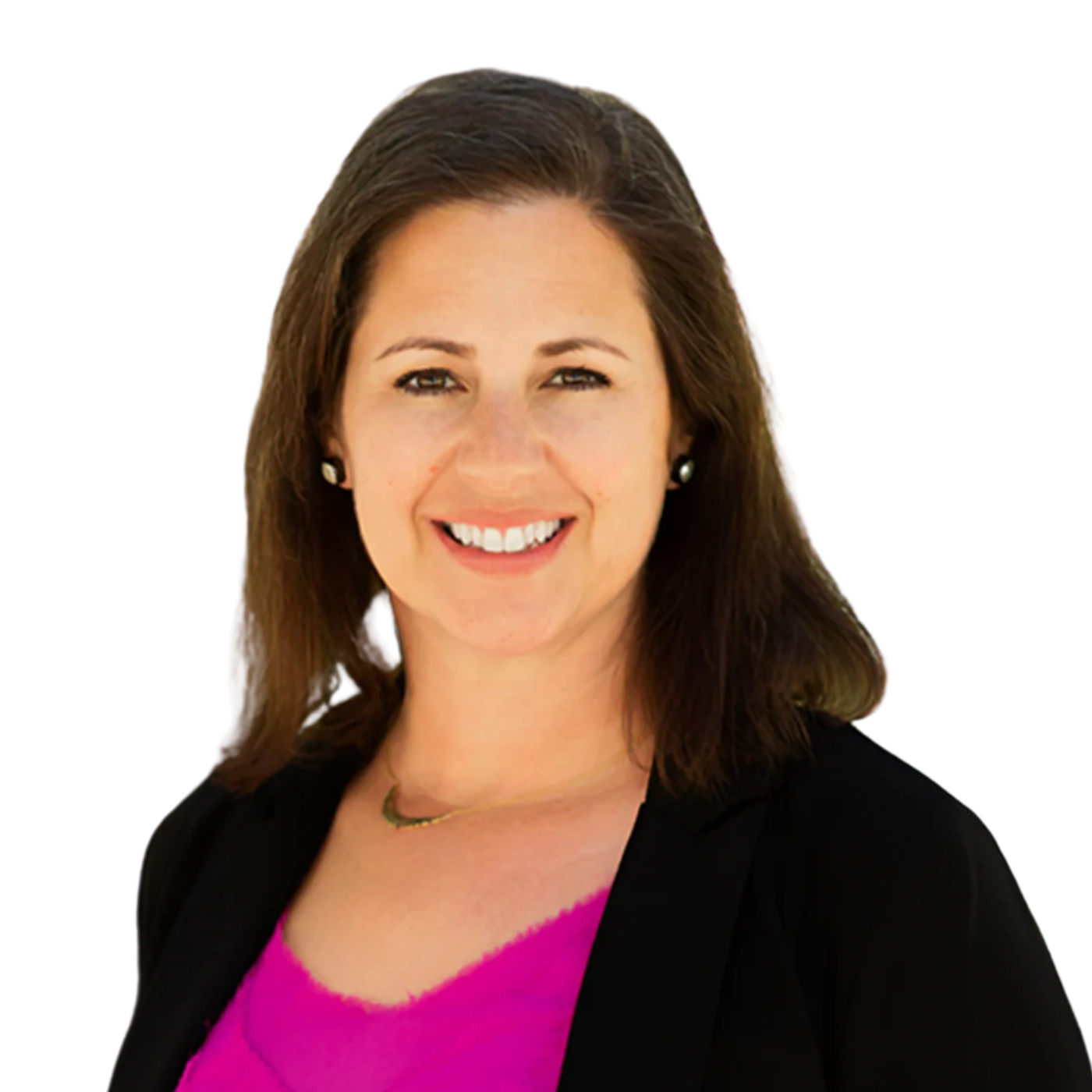
Dr. Carla Perissinotto
Professor of Medicine, University of California, San Francisco
Fostering Economic Connectedness: Action For Community Leaders
This session will explore the critical role that cross-class relationships play in fostering economic connectedness and social cohesion. Drawing on research from More in Common and the American Academy of Arts & Sciences, participants will gain insights into the barriers and opportunities that shape cross-class interactions. Discussion will focus on the economic and democratic benefits of these relationships, strategies for fostering more cross-class ties, creative solutions for how to measure relational impact, and illustrative case studies.
By highlighting practical examples and evidence-based approaches, this session aims to inspire new community initiatives and inform future research on how to foster a more connected, inclusive society.


The Corporate Call to Connection
As loneliness and disconnection emerge as pressing public health and societal challenges, companies are increasingly recognizing their role—not just as employers, but as cultural influencers and community anchors. This panel will explore how businesses are embedding social connection into their strategies, from workplace culture and product design to brand messaging and community investment.
Corporate leaders and field experts will share how they’re responding to this moment:
- How are companies measuring and addressing loneliness within their workforce?
- What’s the role of brands in shifting public narratives about connection and belonging?
- How are business models evolving to support deeper connection through customer experience, social impact, and civic engagement?
Panelists will reflect on lessons learned, risks taken, and what’s next for companies stepping into this work—not as a PR campaign, but as a responsibility.


3:15 – 4:30 PM
Concurrent Panel Sessions
Beyond the Chair: Barbershops and Beauty Salons as Hubs of Healing and Connection
Barbershops and beauty salons are more than grooming spaces, they are cultural sanctuaries, storytelling salons, and intergenerational safe havens. Project Ricochet’s Barbershop and Beauty Salon Initiative reclaims these trusted community hubs as powerful centers for social connection and public health transformation.
This session explores how intentional, culturally responsive design, both physical and relational, has enabled barbershops and beauty salons in Central Kentucky to become vibrant sites for health education, emotional wellness, mentorship, and systems change. Through cross-sector collaboration with public health institutions, universities, artists, and community organizers, we’ve co-created environments that foster belonging, dignity, and healing.
Participants will walk away with insights on replicating this model, designing for relational resilience, and leveraging community anchors to catalyze equity-driven social change.


Percent for Place: Advocating for the Places that Connect Us All
Place matters. Many of the nation’s most pressing challenges are connected to and manifest in our shared public realm — including a growing lack of social connection.
Percent for Place is a coalition of nearly 30 local, state, and national organizations advocating to increase federal funding for civic infrastructure — the interconnected system of public places that connect Americans in ways that boost local economies, increase resiliency and trust, support health and well-being, and strengthen democracy for all: parks, trails, Main Streets, town squares, play spaces, libraries, recreation centers and other public spaces.
Given the current federal landscape, the discussion will focus on Percent for Place’s strategic approach to coalition-building, its evolving federal policy agenda, and insights on building bipartisan support in today’s polarized environment.
Learn how Percent for Place is elevating a rural-urban movement that prioritizes places of social connection and how you can become involved in this growing coalition.


We All Need to be Needed: Disability, Mattering & Loneliness
Significant health conditions may result in disconnection and exclusion of people from social networks. Disability resulting from these health conditions interacts with other social factors to constrain social connection. Additionally, disability can result in others perceiving someone as needing support, but rarely as a source of support. Thus, people can come to see themselves as not needed in their social worlds, contributing to feelings of loneliness. Psychological mattering asserts that we matter to the extent that we feel others are aware of us, consider us important and need us. Mattering is associated with loneliness. Positive social connections can produce a sense of mattering as they convey social information that one is both valued and needed by others and that one contributes value to one’s world (Flett & Zangeneh, 2020). Prilleltensky (2020) summarized these forms of social information as being valued and adding value, and noted that “when we feel valued, we are appreciated, respected and recognized. When we add value, we are able to make a contribution or make a difference” (p. 17). Fostering social connections that enhance feelings of mattering may reduce loneliness among people with disabilities.
Discussion points: 1) What factors contribute to high prevalence of loneliness and isolation among people with disabilities? 2) How do environmental factors interact with disability to affect social connection? 3) What is mattering and what is its role in social connection? 4) How can we facilitate and support connections that enable a sense of mattering?


Building the Aging Ecosystem: Cross-Sector Roles in Advancing Social Connection
As our nation ages, advancing social connection for older adults requires more than isolated programs—it requires an ecosystem. This session brings together federal leadership, philanthropy, community-based organizations, and on-the-ground innovators to explore the unique and interdependent roles each plays in building a sustainable infrastructure to support connection in later life.
Panelists will share how research, policy, funding, and practice can align to scale evidence-based models and foster innovative partnerships—highlighting work underway through the ACL’s Commit to Connect initiative, the John A. Hartford Foundation’s investments in scaling connection interventions, and community-based contracting models that embed social connection into healthcare delivery. Together, they’ll unpack what it takes to build a replicable and resilient system for social connection across the aging network.
This session includes interactive dialogue to help attendees reflect on where they sit within the ecosystem—and how to collaborate across boundaries to strengthen social connection for all older adults.



4:40 – 5:30 PM
Afternoon Plenary
Shaping Cultural Change: Stories of Care and Connection
What stories do we tell about loneliness, belonging, and social connection—and what does it look like to center connection in journalism, media, and entertainment? How do those stories shape not only what we believe is possible, but how we behave and connect in our daily lives?
This session explores how stories—on screen, in newsrooms, and within communities—can model behaviors that strengthen the social fabric. From vicarious contact in entertainment to proximity storytelling in local media, panelists will share practical strategies for how narrative can be used to sow empathy, reduce division, and spark real-world connection.
We’ll move beyond theory to explore how narrative change can be a tool in the work of every practitioner, policymaker, journalist, and cultural creator. What does it look like to center connection in journalism? How can we tell stories that shift the narrative away from personal challenges and individual responsibility toward a more collective vision of care and cohesion? How do we amplify what’s already working—and inspire more of it?


6:00 – 9:00 PM
Optional Group Dinners
More details coming soon.